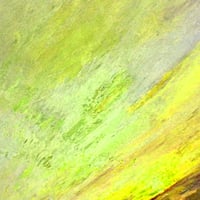
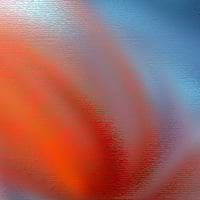
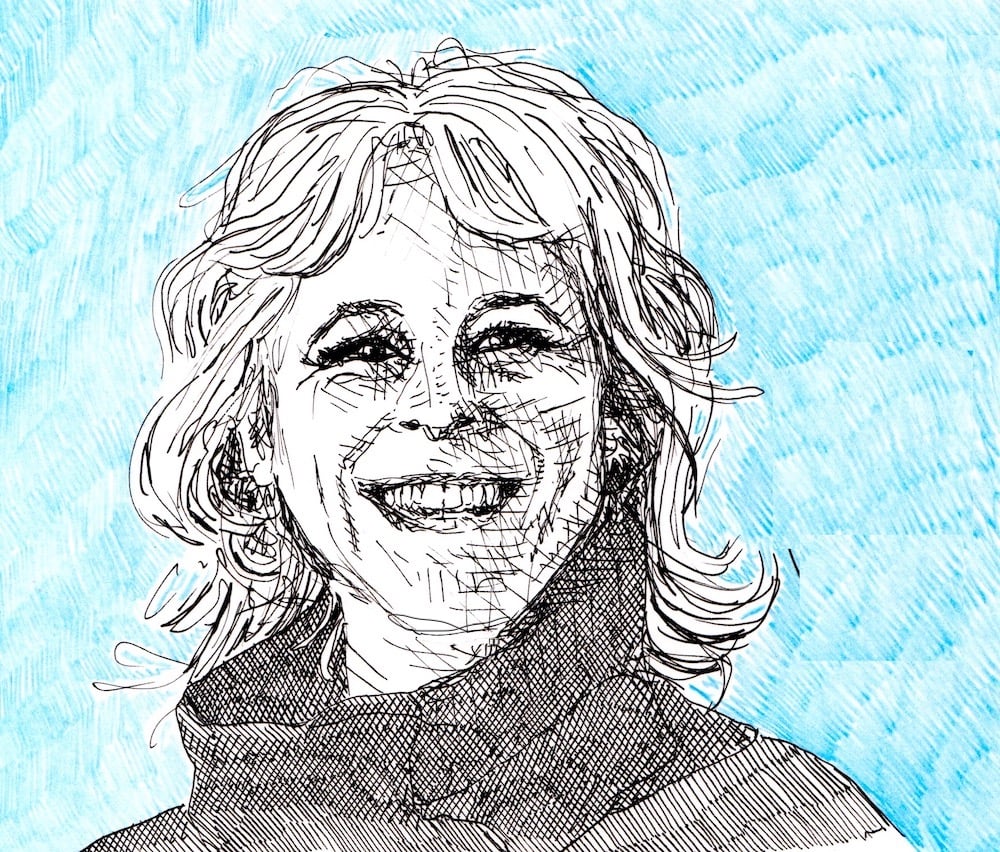
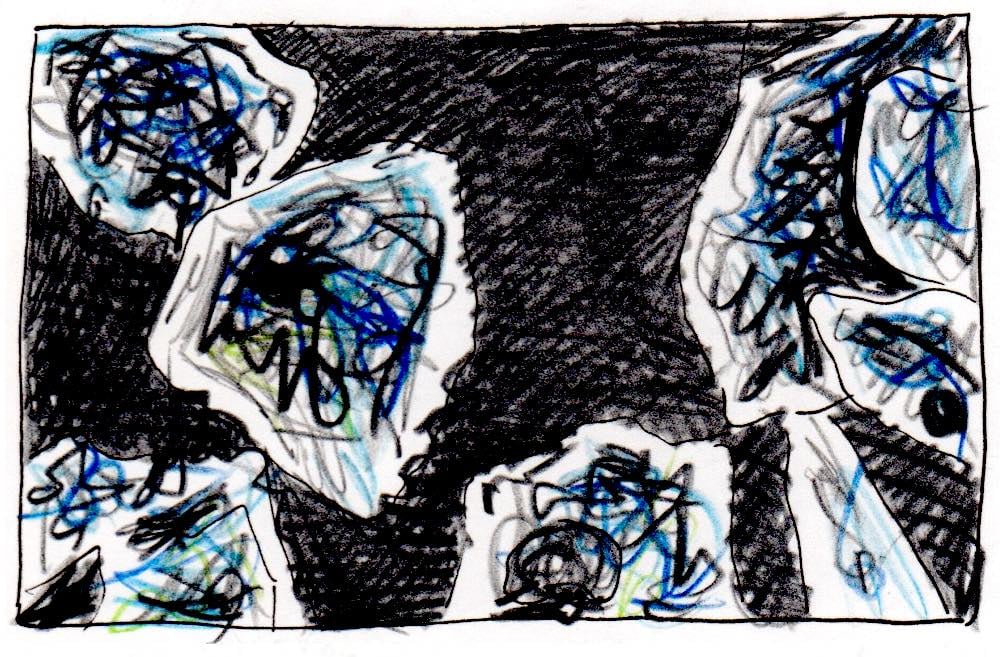
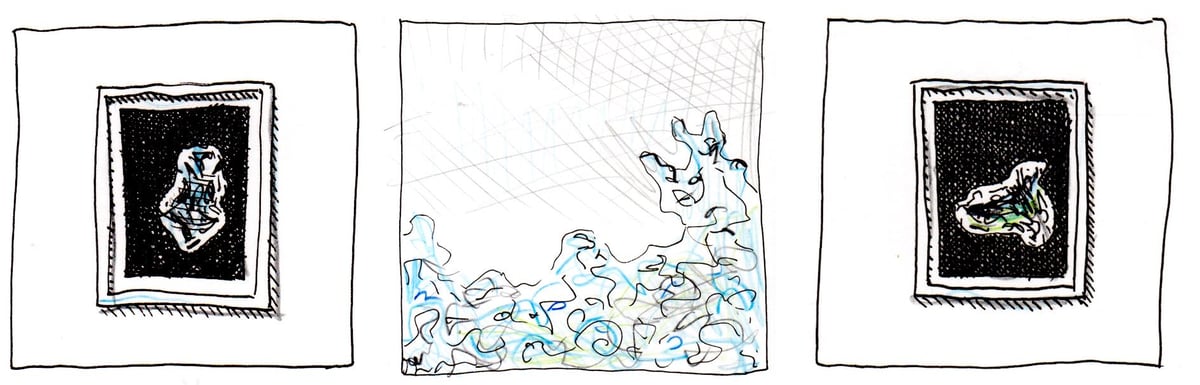
Edith here. For the latest installment of my newish illustrated column, I interviewed my friend and neighbor, the artist and climate activist Zaria Forman. Zaria makes pastel drawings of ice, among other things, and her solo show “Fellsfjara, Iceland” is currently on exhibition at Winston Wächter gallery in New York until May 4. (I’ve rendered a miniature version of some of it right below these words, but definitely click here for the actual images.) Zaria is also on Instagram.
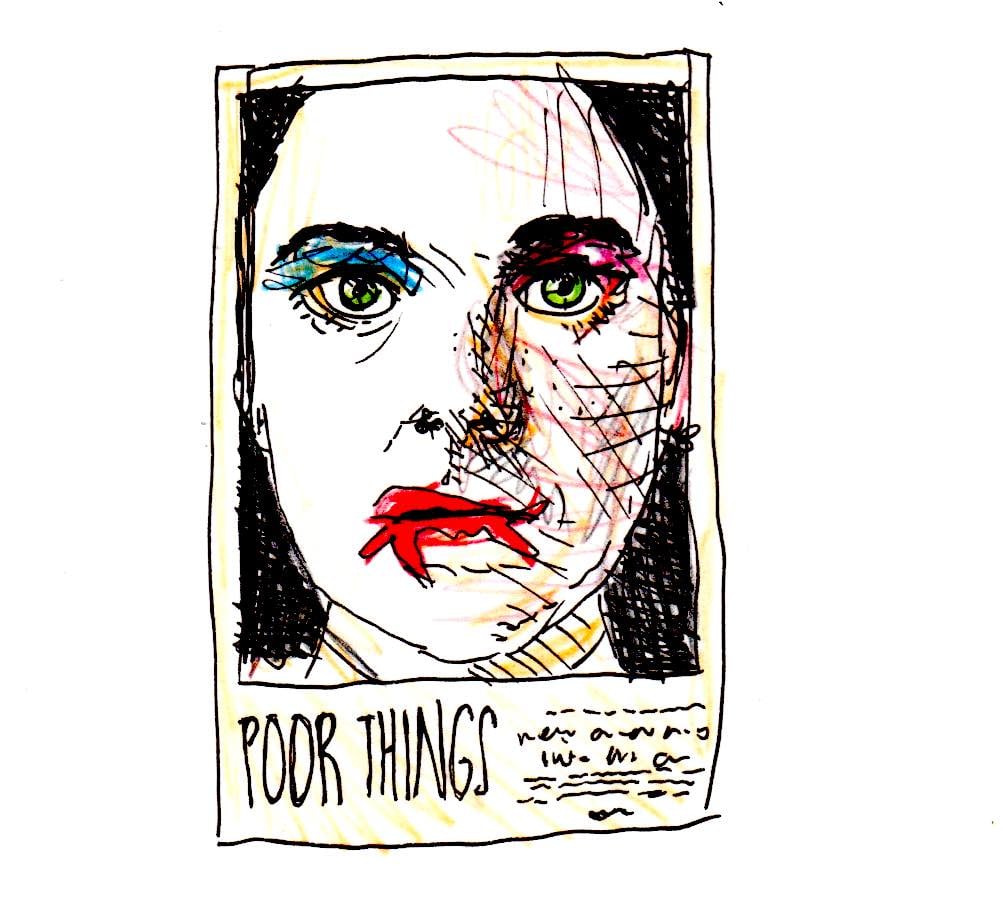
Zaria, have you read, watched, listened to, or otherwise experienced anything good recently? Poor Things. It was so visually stimulating and imaginative — more than anything I’ve seen in a while.
Possibly more interesting: the ice storm a few weekends ago! I’d never seen an ice storm before moving to upstate New York, and although the storms are destructive, they’re so beautiful. It was the most spectacular one I’ve ever experienced.
Seen anything bad? Mr. and Mrs. Smith, the new version. I thought it was poorly cast and just plain dumb. OR: All the mud, now that the ice has melted ;)
What’s something you’ve read or seen that changed your life?
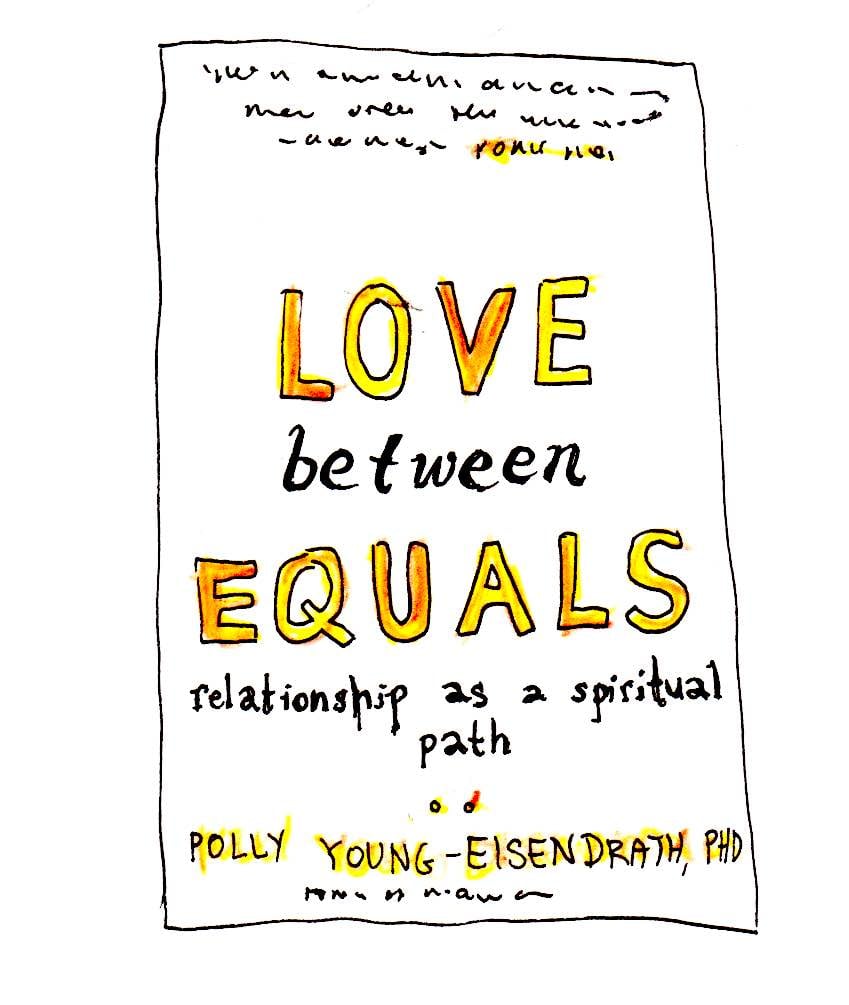
Seeing glaciers and icebergs for the first time absolutely changed my life. But if we’re sticking to books, etc., one that changed my way of thinking was Love Between Equals: Relationship as a Spiritual Path, by Polly Young-Eisendrath.
She’s a psychologist and couples therapist, and the book just kind of reframed the idea of relationships in my mind — of how you relate to someone you’re in a long-term relationship with, and how you can grow with them. And how, like, love is.
She talks about radical acceptance, fully accepting someone for who they are, learning how to do the same for yourself, and then figuring out how all of that can work together.
Does anything make you laugh online?
Memes on Instagram!
What’s a recent one?
I just forwarded you the last one I sent to [my husband] this morning.
Are there any cultural moments you currently think about unusually often? Like are you haunted by a moment from a TV show, or anything like that?
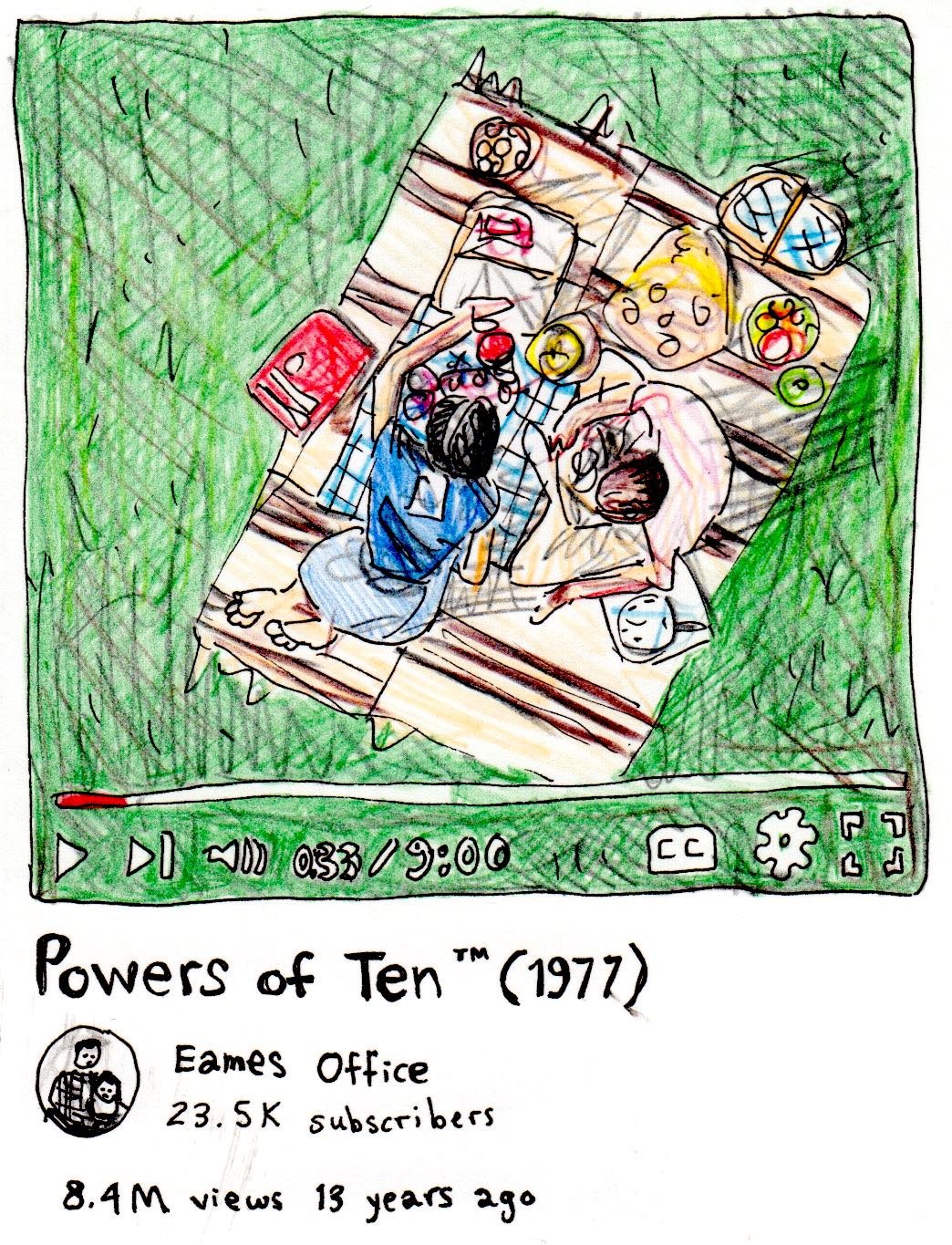
More “inspired” than “haunted,” but the artists Ray and Charles Eames made a 10-minute documentary in 1977 called “Powers of 10” that made a big impact on me. The Tang Teaching Museum in Saratoga Springs exhibited the film in a show during my years at Skidmore College, and it’s probably the one film I think about more than any other.
What’s it about?
It starts with a couple on a blanket having a picnic by a lake in Chicago. And then from one of their hands, the camera zooms back 10 meters. And then it continues zooming back by powers of ten. And so you see these squares get smaller and smaller, and it keeps going into the atmosphere, and the solar system, and it’s just mind-boggling how it keeps going.
And then it then zooms back down to the picnic and goes into their skin and all the way down to, like, a molecule inside the body. And it’s crazy to see the similarities between the two.
It’s on YouTube, if you want to watch — I highly recommend!
What were you really into when you were 12?
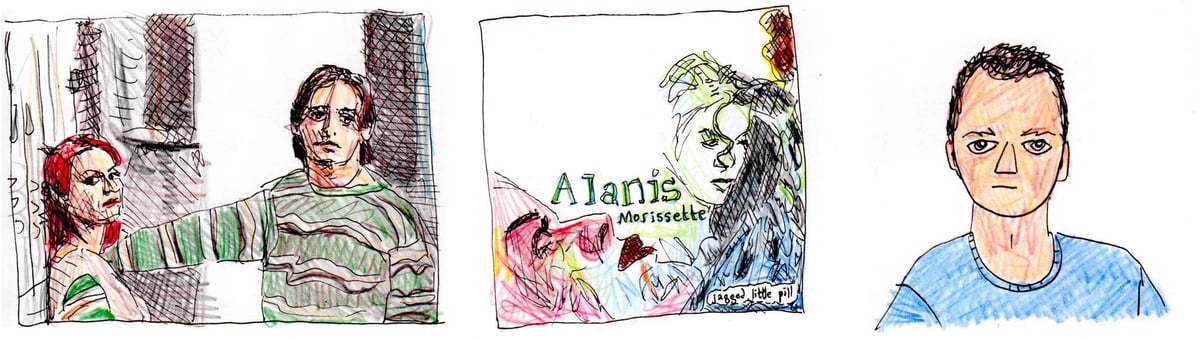
My So-Called Life, singing along to Alanis Morissette, and a boy named Ben.
Is there a book/movie/whatever you’d like to experience again for the first time?
Burning Man. There’s just no way to really know what it’s like until you’re there, in the middle of it. And when you know what to expect, it’s not as thrilling. But as a climate activist, it doesn’t feel right to continue attending over and over.
What’s a funny or weird way people have described your art?
As “finger painting.” It was a term used first (I think) in the Daily Mail, and then almost every writer used it to describe my work for several years. I wince at a line I say in my TedTalk: “I cringe when people call me a finger painter,” or something like that — my tone just sounds so snobby, I hate it — but I was attempting to detach my work from the term, and it did finally work. It pops up every now and then, but rarely.
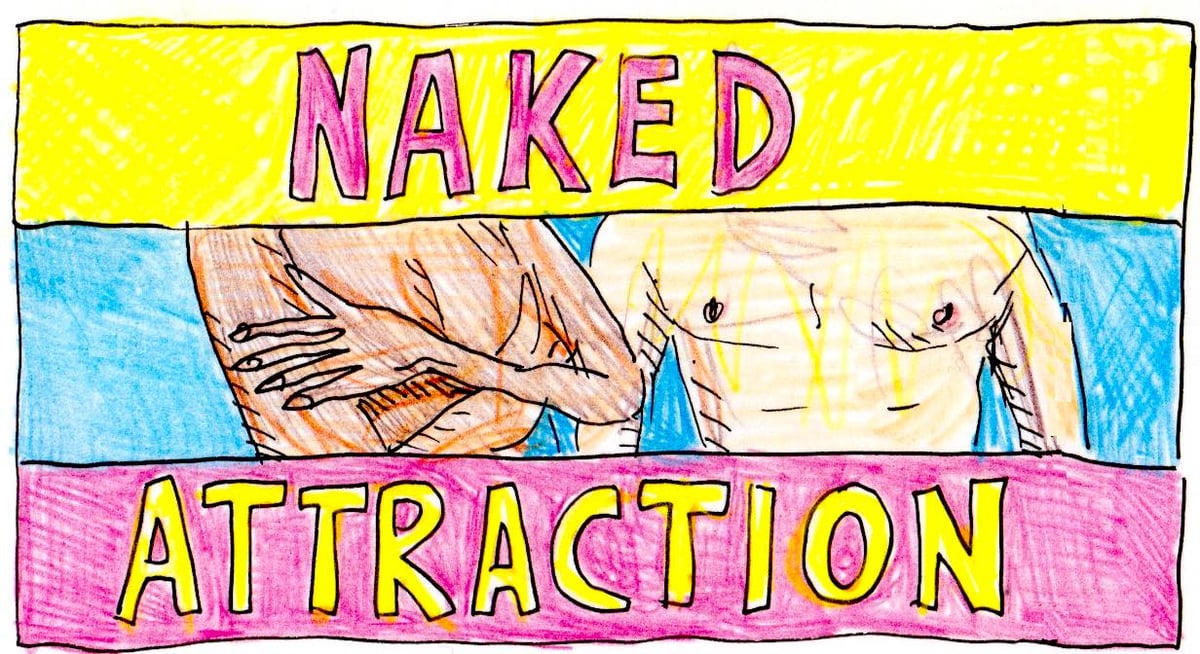
Please tell me something silly that you love. Naked Attraction, the dating show where people are naked.
Thanks, Zaria!
Zaria’s work can be found here. And past installments of Drawing Media can be found here.
This is great: a 25-minute interview with legendary animator Chuck Jones as he sits and draws some of his iconic characters (Bugs Bunny, Porky Pig, Daffy Duck). He told this anecdote about how Steven Spielberg and George Lucas were both influenced by a particular space-themed cartoon of his:
Porky was just a kind of a little third-string Boy Scout and was not very interesting to me. And then when I put him in a picture called Duck Dodgers in the 24th and a Half Century. Spielberg used that picture in Close Encounters the Third Kind - when his kids were watching television in the picture, they were watching Duck Dodgers in the 24th and a Half Century. And Lucas told me that he saw that picture when he was 12 years old and when when he opened Star Wars in San Francisco he told them they couldn’t have Star Wars in San Francisco unless they ran Duck Dodgers in the 24th and a Half Century.
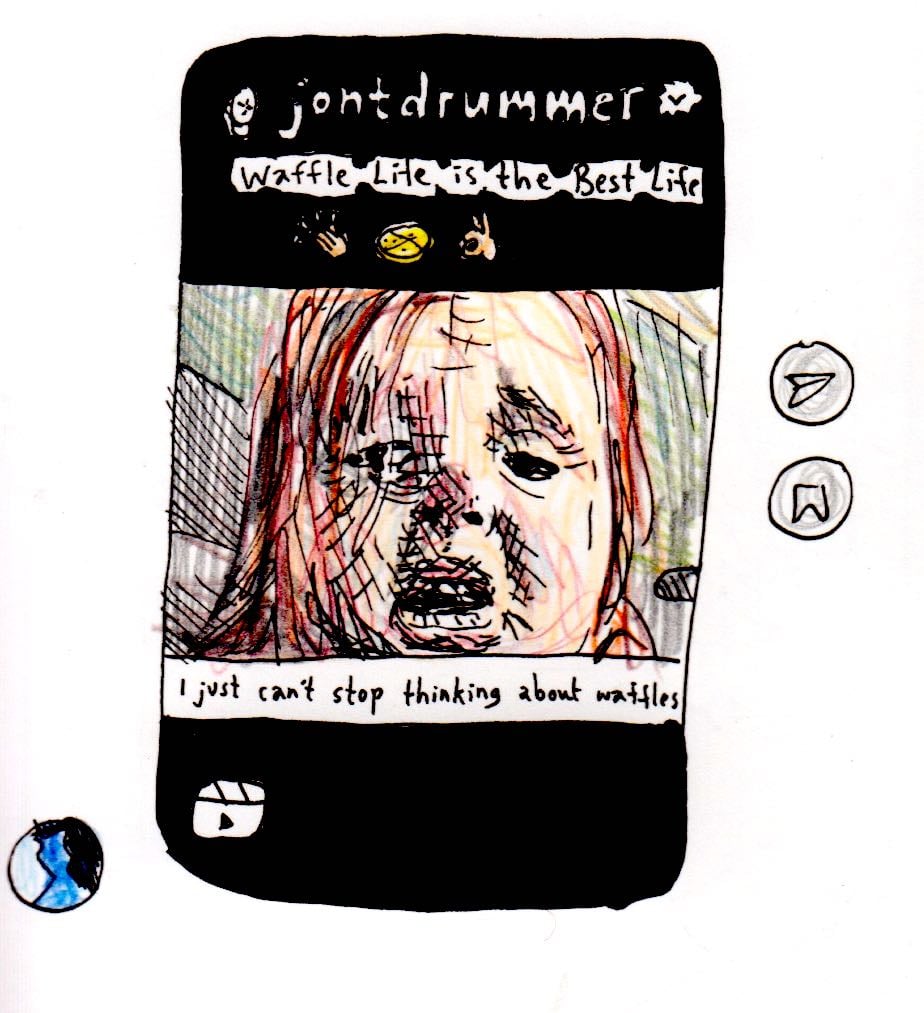
Edith here. For the next installment of my newish illustrated column here on Kottke dot org, I talked to my friend Nick Catucci. Nick edits the excellent newsletter Embedded, which partially inspired me to start this column. (Specifically, Embedded has an interview series called My Internet that I’ve always loved.) Nick is also site director at GQ. And about 13 years ago the two of us worked at Vulture together.
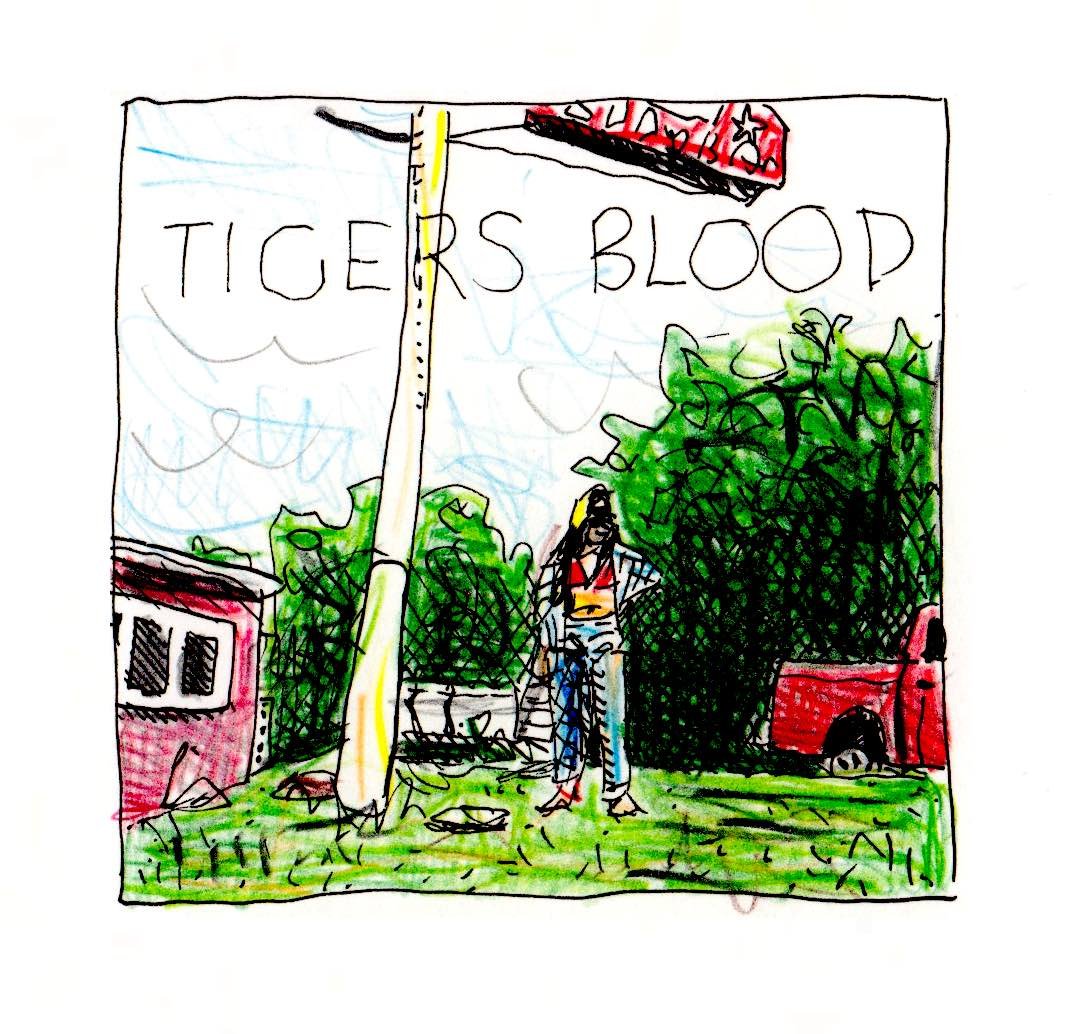
Hey Nick! Have you read (watched, listened to, or otherwise experienced) anything good recently? I think I speak for my demographic when I say that the new Waxahatchee album, Tigers Blood, is a dream. My friends at Pitchfork published a great profile of Katie by Andy Cush where she’s really insightful about how, being sober, she’s drawing from a different well than heroes of hers like Townes Van Zandt and Jason Molina. (One of the neat things about the album is that the harmonies with MJ Lenderman, her new collaborator, sort of dramatize this tension.)
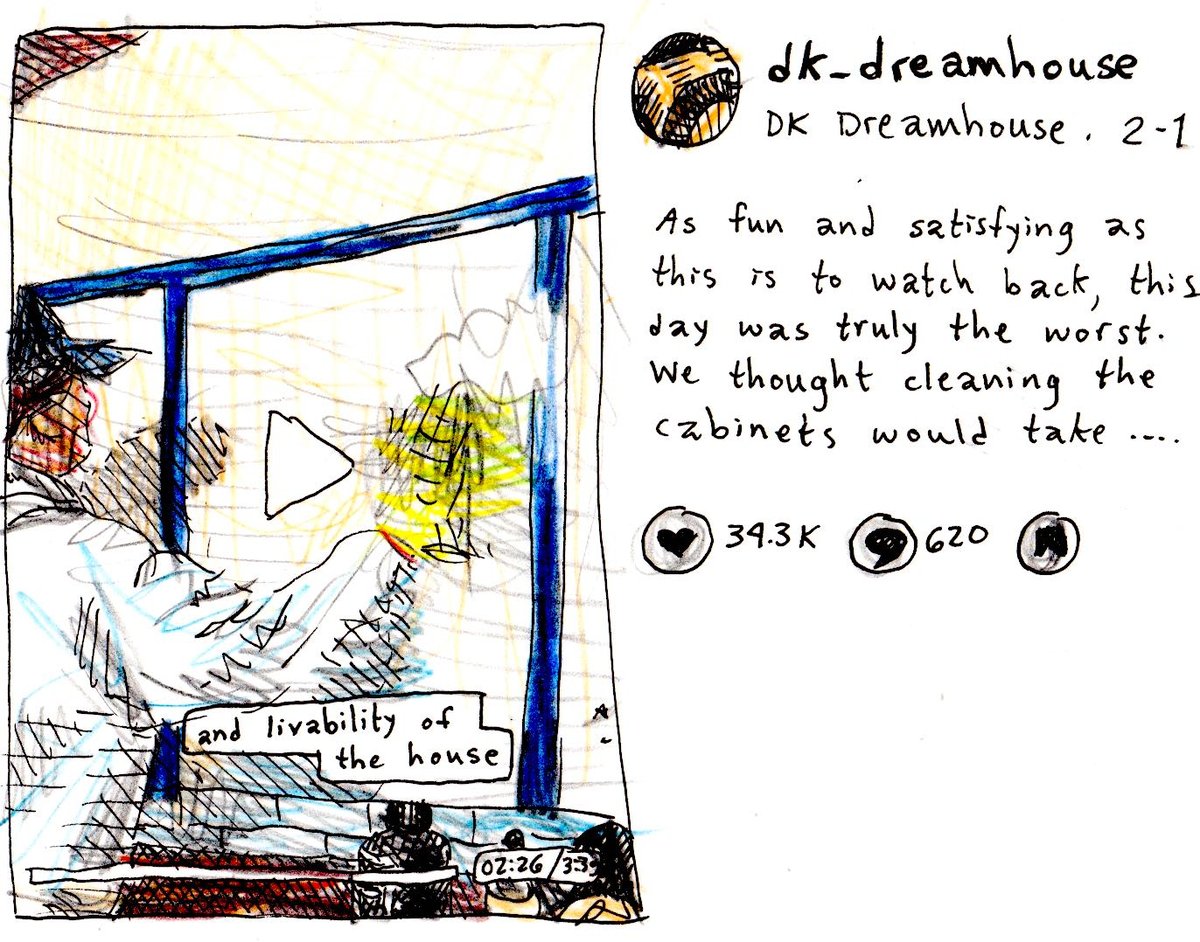
There’s one other thing that gives me serenity the way that Waxahatchee does right now, and that is this couple on TikTok who are renovating a hoarder house in Washington state. I have never watched HGTV and the concept of house-flipping nauseates me, but I’ve grown so attached to the process of these two people (who do flip houses, but plan to move into this one) racing to make this once-grand place livable before their six-month loan runs out that I’m dreading the day that they’re able to refinance.
Anything bad?
Basically everything that goes super viral on Twitter now, like The Willy Wonka Experience and “flush ponytail.” The recycled jokes, race for interviews with random people involved, “imagine explaining this to someone who isn’t chronically online”—the whole cycle seems more childish and desperate than ever. It’s as if everyone is doing their own Millennial meme marketing of themselves.
What’s something you’ve read or seen that changed your life?
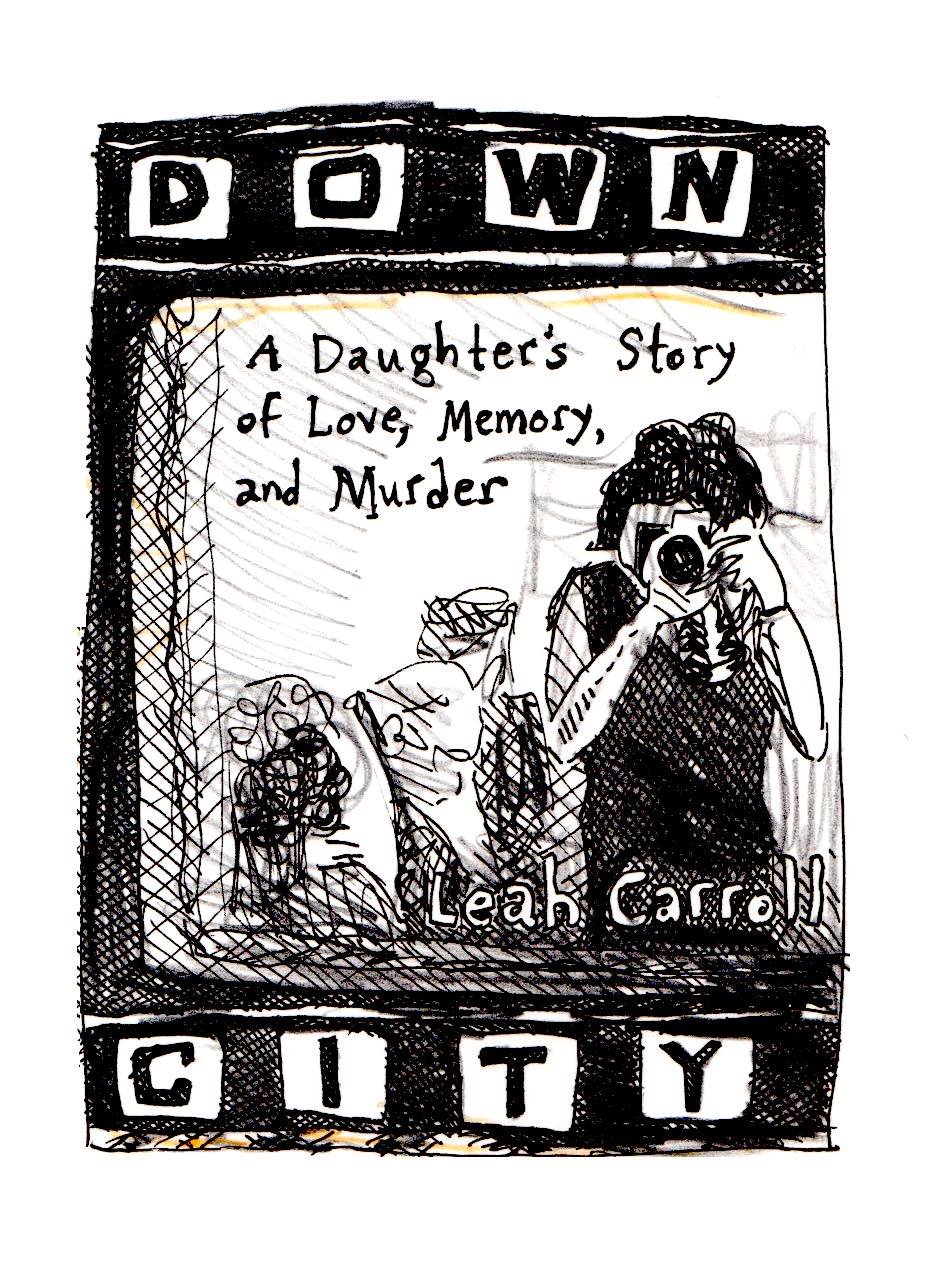
My wife published a memoir, Down City, in 2017, and reading the transcript for the first time completely opened up my perspective—on this woman that I cherish, this sometimes corrupt place where we both grew up, and love within families.
Bonus answer: Two editors I was talking to about a staff writer job early in my career asked me what music changed my life, and the answer that popped into my head was Ice-T’s metal band, Body Count, which I would play at eardrum-damaging volume on big headphones when my mother would drive me to middle school. One of my older brothers owned an early cassette version of their first album, when it still included “Cop Killer.” The editors found that response really funny.
Do you subscribe to anything you don’t read? (Or otherwise consume?)
I’m sure that there are nice little communities in the Discords that some newsletters host for subscribers, but I can’t imagine ever logging on to any of them. Separately, I resent that my costly subscription to The New York Times is justified in part by games that I don’t play.
Read anything you don’t subscribe to?
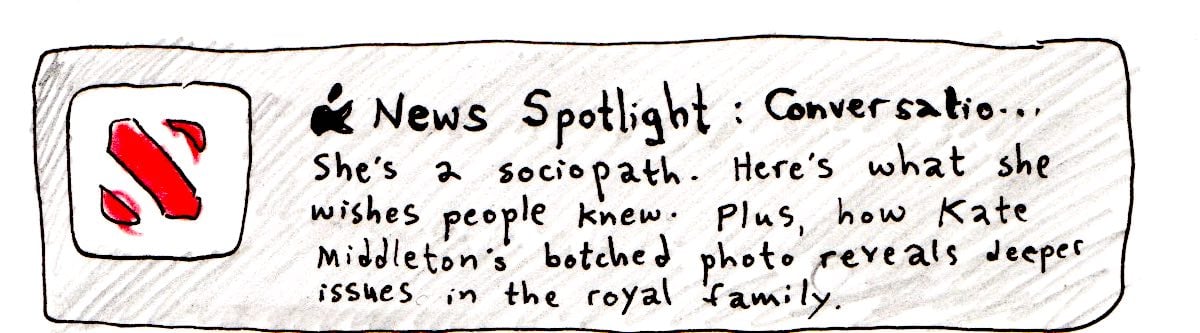
Technically I have access to everything I read in Apple News and the publishers see some revenue for that, but clicking on “The truth about weed and your brain” and “She’s a sociopath. Here’s what she wishes people knew” is not the same as subscribing to National Geographic or The Wall Street Journal.
What’s something you’ve lied about reading or watching? Or felt tempted to lie about?
I don’t lie. I just allow my friends to think that I must have read their books or listened to their podcasts (which of course I sometimes do, so they can never be sure).
Does anything make you laugh online?
All the time. The For You page was a tremendous innovation for people like me who are powerless not to engage with stupid content. TikTok serves me lots of veryfunnyvideos, and I agreed, as I usually do, with my worldly and straight-shooting columnist Chris Black when he wrote in July 2023 that the introduction of Twitter’s For You feed “polarized my timeline but has consistently exposed me to some of the most hilarious stuff I have seen on the app in years.”
Are there any cultural moments you currently think about unusually often? Like are you haunted by a moment from a TV show, or anything like that?
I may be taking “haunted” too literally, but I do think about the Richard Ford protagonist Frank Bascombe, who, in my view, makes a valiant effort to truly live after the death of his young son. I wonder if his life is tragic, or a triumph. (Please don’t email me if you wrote a graduate thesis about this and know the answer.)
What were you really into when you were 12?
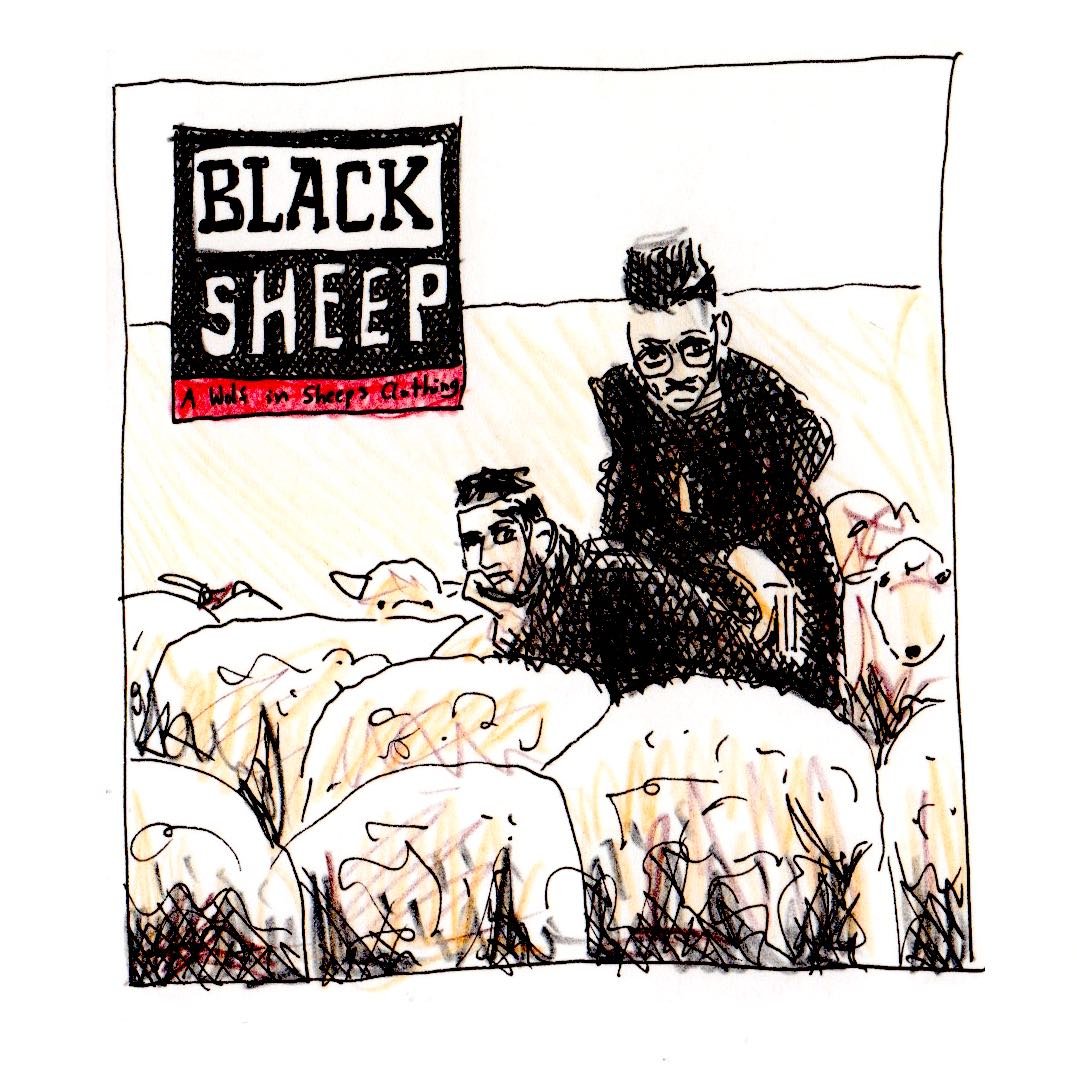
I turned 12 in 1991, and at that time, my older brother owned an 18-plus dance club in Providence, RI. He booked DJs like Kid Capri and live shows with painfully early-‘90s rap acts like Das EFX and Fu-Schnickens, and I would sometimes serve sodas at the bar. I witnessed 800 kids pogoing to “The Choice Is Yours (Revisited)” when Black Sheep came through around the height of that song’s popularity, and remember that on the night that Del the Funky Homosapien rolled in, the buzz was that his cousin Ice Cube was on the bus and might jump on stage with him (he was not on the bus). I got to meet most of these guys, and they were impossibly cool, floating through the club’s back rooms on clouds of blunt smoke, but also pretty nice to this nerdy kid asking for their autographs.
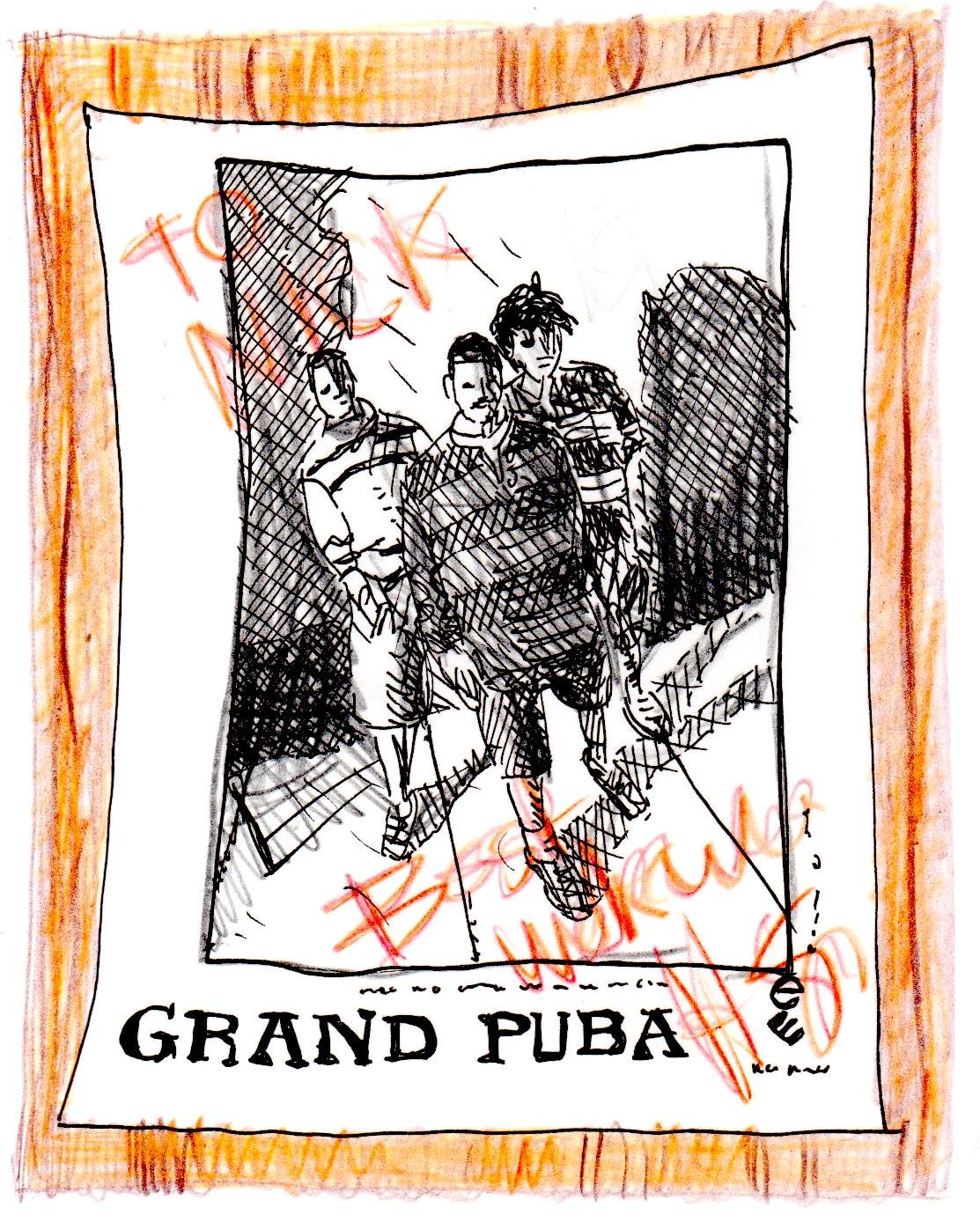
Obviously this all left a massive imprint on my soft adolescent brain. To this day, one of my greatest style inspirations remains Grand Puba. The press photo he signed for me shows him, as I remember, immaculately turned out in a baggy striped polo shirt (Ralph Lauren or Tommy Hilfiger, presumably), dark Girbaud denim shorts, and those Timberland boat shoes with the lug soles.
Is there a book/movie/whatever you wish you could experience again for the first time?
Inception in the theater. I saw Fugazi play in Providence as a high schooler and would like to do that again, if possible.
Please tell me something silly that you love.
Speaking in my dog’s voice (breathless young female resistance Democrat) to threaten myself in the meanest, most violent terms possible when I do something mildly annoying around my wife.
Has anyone ever described you in a way you felt was really accurate?
When I’m with my almost-five-year-old daughter and her friends at the playground or waiting for the bus, she’s sometimes tells them, “That’s my dad—he’s so funny.” And in those moments, I know that I am funny, to her.
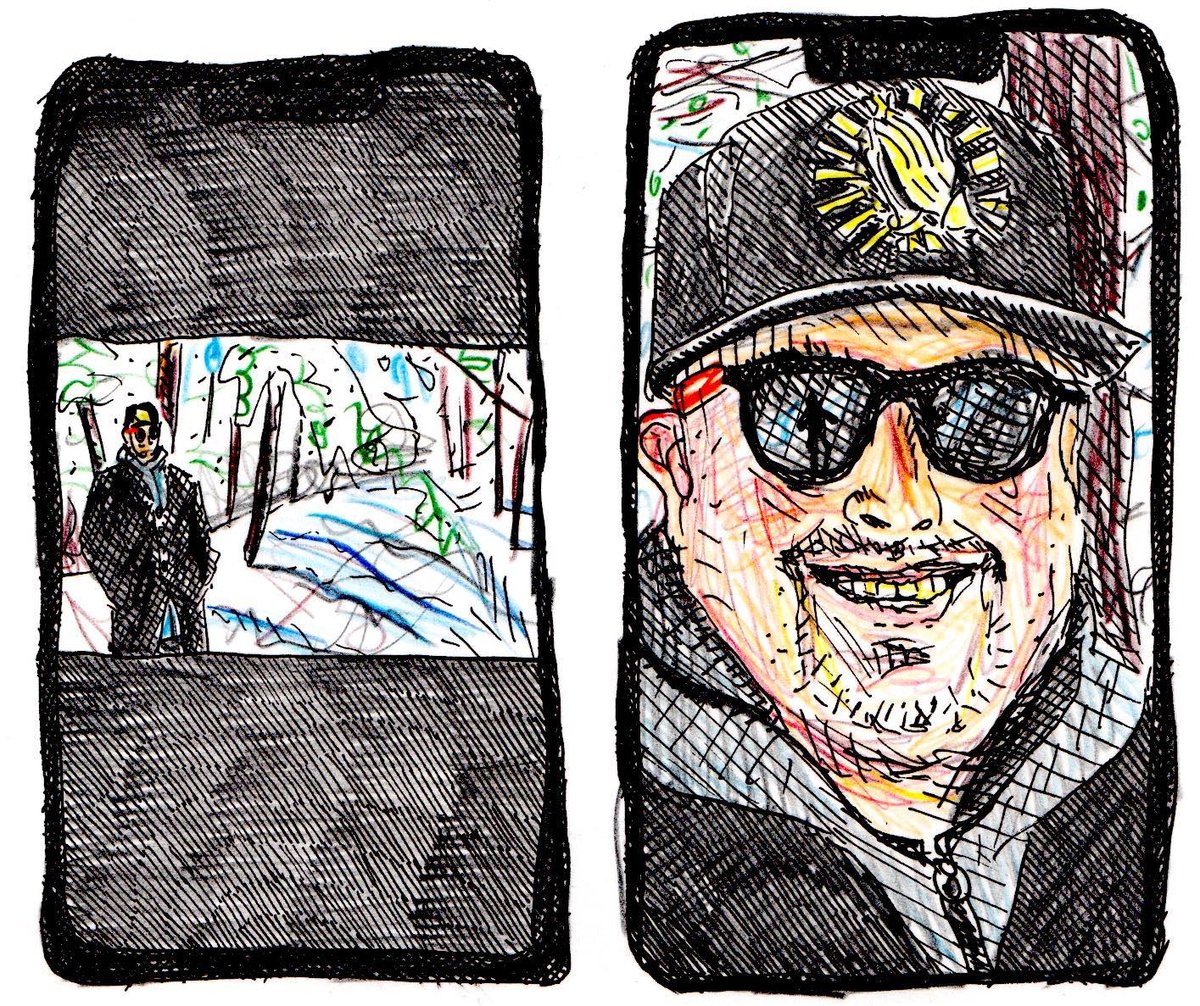
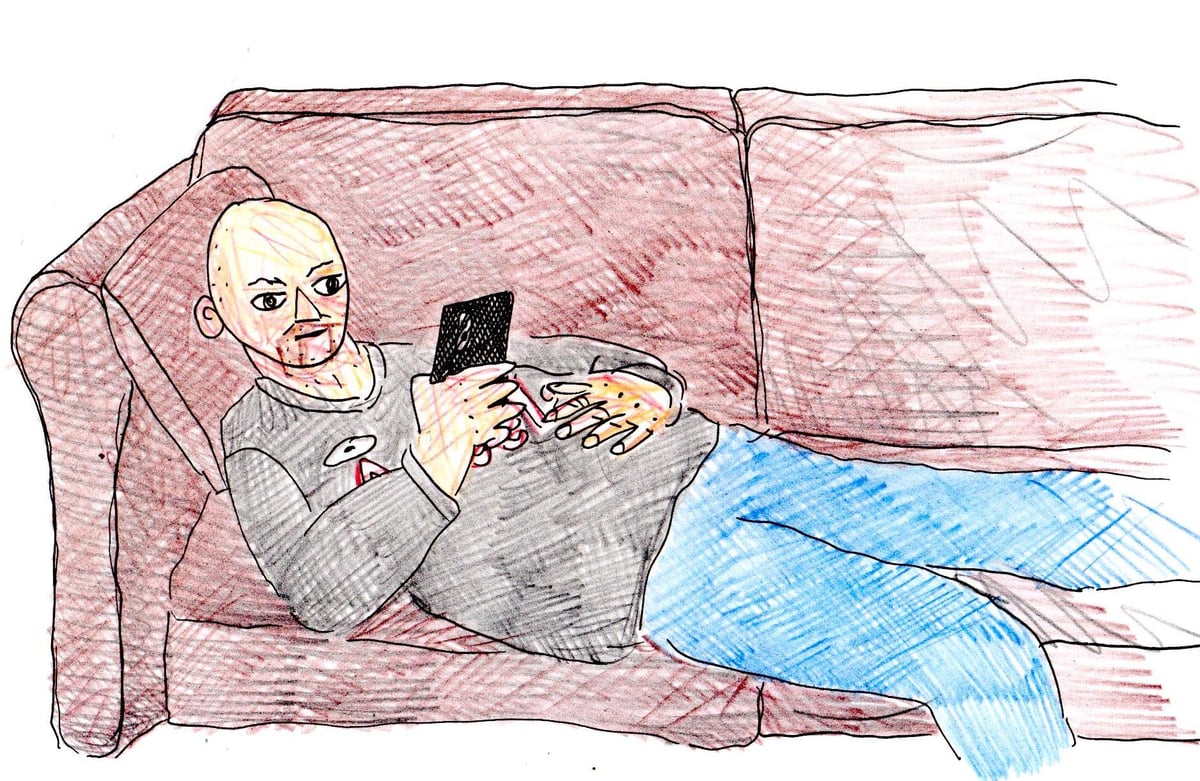
Edith here. For the second installment of my illustrated interview column, I talked with my friend, the poet Jim Behrle. He visited us recently, so I used a photo I took in person as reference for the portrait. Jim’s latest book of poems is called Hoetry, and you can catch him hosting Bad Animals on WFMU on Mondays 8-9pm. He’s also on Instagram.
Have you read, watched, or otherwise experienced anything good recently?
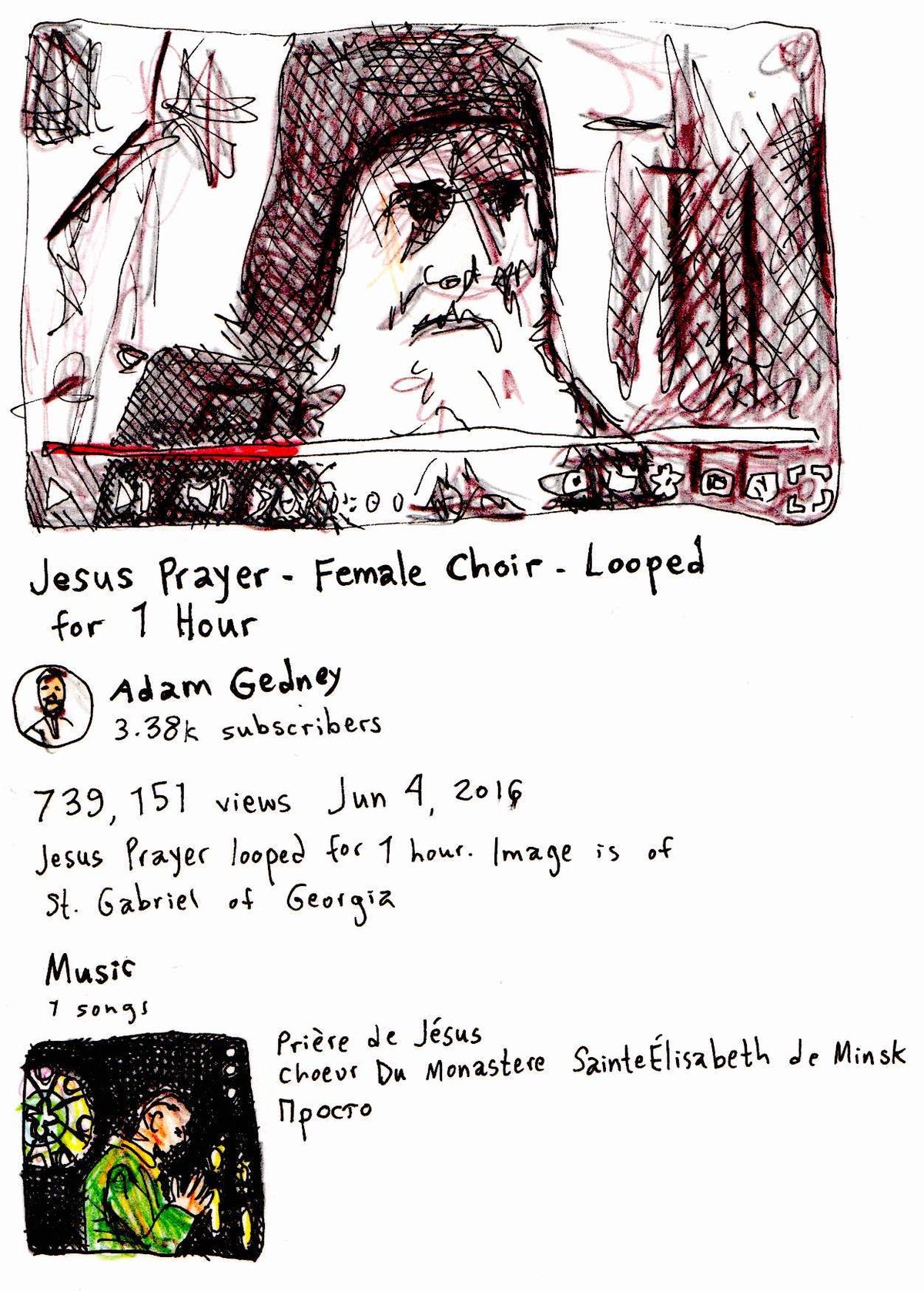
I listened to a YouTube video of a female choir in Minsk praying the Jesus Prayer, which I’ve been reading about in a book called The Way of a Pilgrim, written by an anonymous monk. The prayer is simple, although I have yet to memorize it: “Lord Jesus Christ, Son of God, have mercy on me, a sinner.” There are other, similar versions of it. I just kind of had these nuns praying in the background for like an hour. It was very peaceful.
Prayer is so interesting, and I’ve always struggled with it. Like speaking in my mind coherently to an all-powerful force can seem a little redundant. God already knows everything about me. I also don’t like asking God for stuff all the time because doesn’t that make me a shitty friend? Or, if there is no God, is it silly to close one’s eyes and sit asking the vast emptiness to help me get a better job? Ultimately it may not matter one way or the other. The simple act of remaining still, perhaps kneeling, or having one’s eyes closed even for a few seconds might be its own reward. These nuns had a gentle, sing-songy mantra going on with the Jesus Prayer. I found it hypnotic, which I always like.
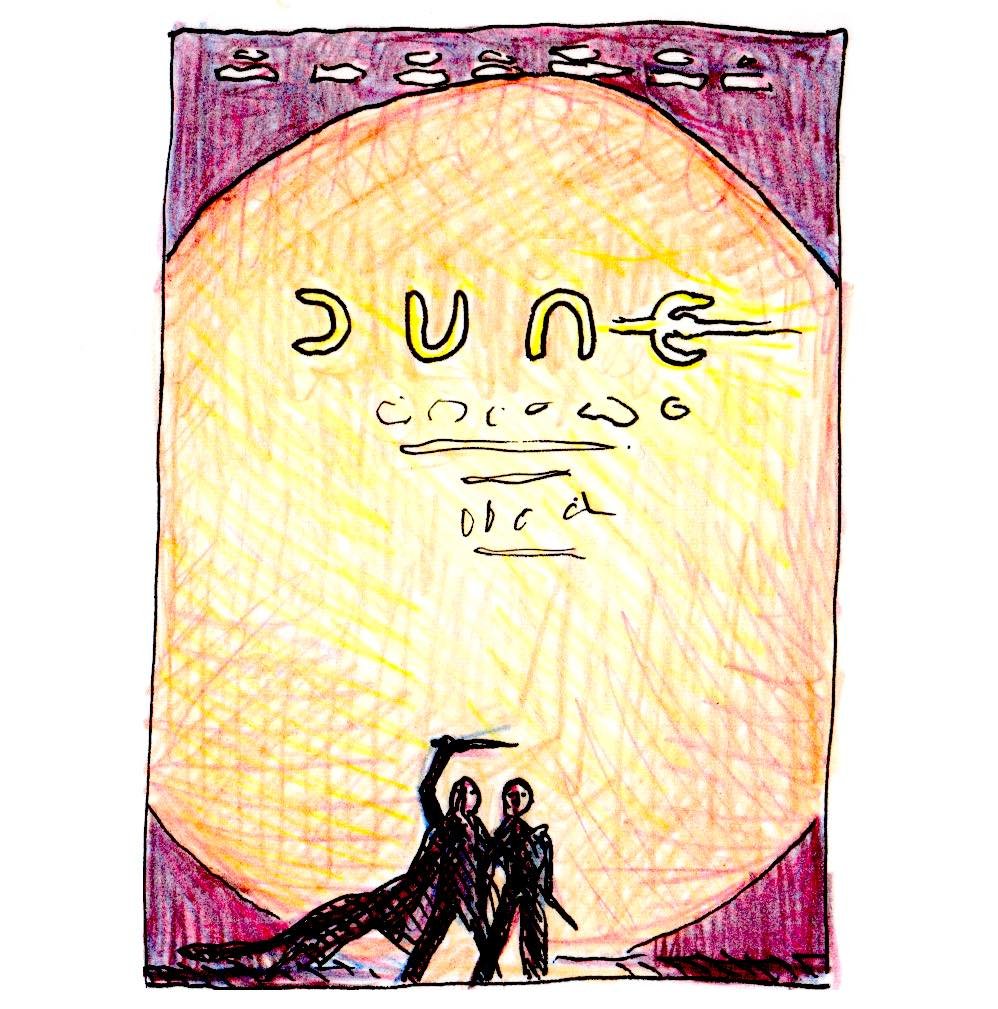
I saw Dune Two as well recently. It was good, although I was mostly interested in the worms and could watch a whole movie just about them.
Have you read or seen anything bad?
It wasn’t bad, necessarily, but I re-watched The Last Temptation of Christ, and I didn’t enjoy it as much as I thought I would. The depiction of Mary Magdalene as some sort of jilted woman who is fucking her way through the population of the Earth because Jesus won’t be her boyfriend or something was sort of weird this time around. Some pope mistook one Mary for another in the 5th century, and we’re still treating someone mentioned more in the Gospels than any of the other apostles as if she’s a love interest rather than a main character in her own right. But there were some really interesting shots of Jesus in the desert that I thought were pretty cool.
How’d you find out about either/both?
I’ve been slowly winding my way through some YouTube avenues of Christian mysticism videos and podcasts. And I like ambient sounds and background noise. And I love nuns. I don’t like nun horror movies and stuff, just like, nuns being nuns. There’s one Byzantine nun named Mother Natalia on a few podcasts I recommend.
What’s something you’ve read or seen that changed your life?
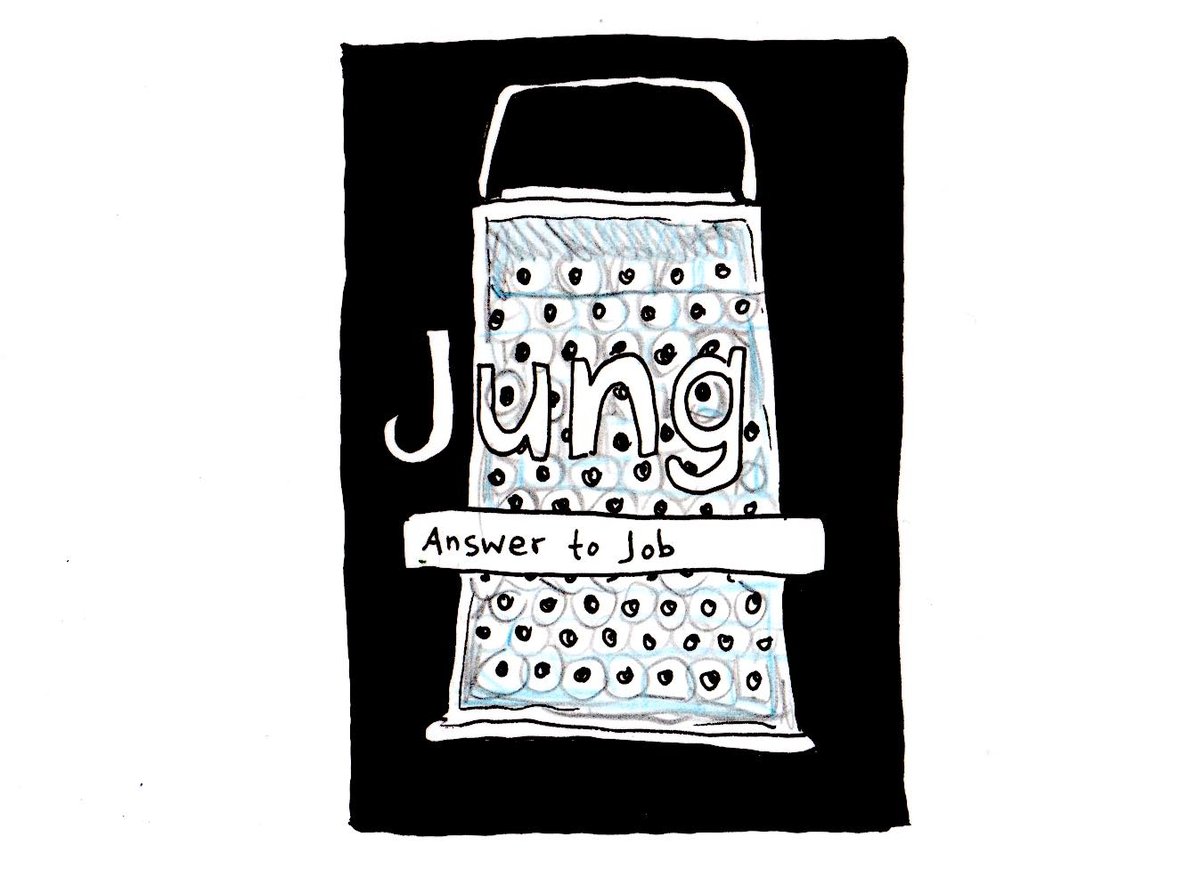
I’ve been reading a book by Carl Jung called Answer to Job. In the Book of Job, in the Bible, God turns the life of one of his firmest believers upside down to win some pointless bet with the Devil. Jung’s assessment of God’s behavior and Job’s state of powerlessness is pretty eviscerating. I don’t know if it’s changed my life, but thinking about God not as a purely benign force in the universe is compelling.
After God destroys the world with floods, God promises not to do it again with a rainbow. There is no rainbow at the end of The Book of Job. God doesn’t promise to not do to us what he did to Job, even if we do all the right things.
Do you subscribe to anything you don’t read?
Scientific American? I always forget to read it. But I read all the headlines eventually.
Read anything you don’t subscribe to?
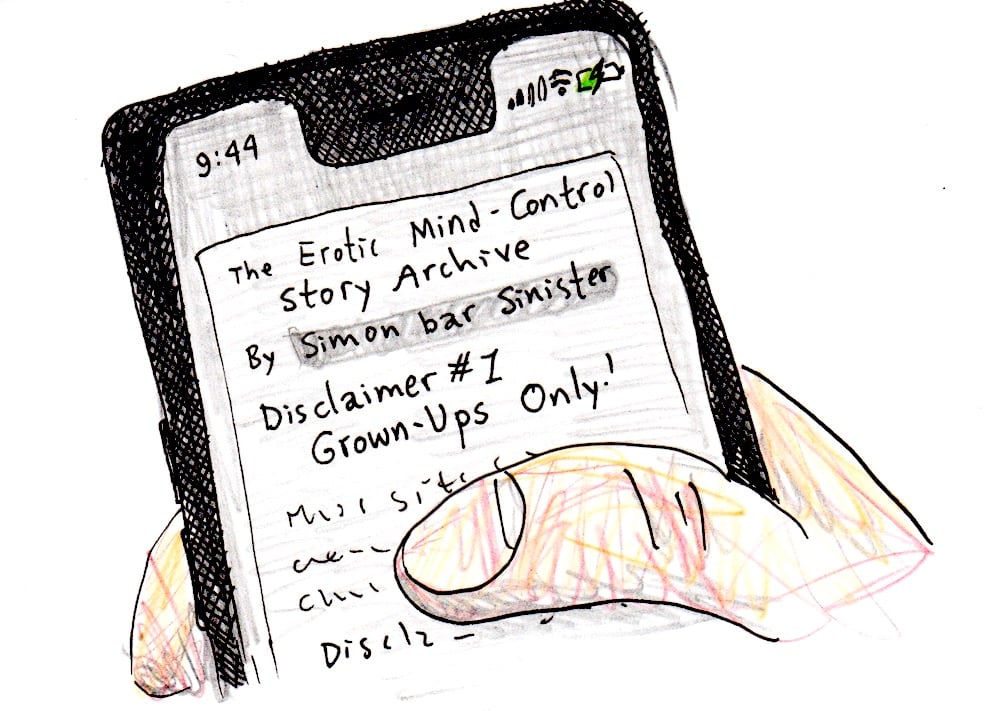
I read most of the stories at mcstories.com every week. They’re erotic mind control stories. I am absolutely fascinated by them.
What’s something you’ve lied about reading or watching? Or felt tempted to lie about?
I always joke that I’ve read the first chapter of Crime and Punishment a million times, but it’s more like the first 10 pages about 10 times. I’ve worked in bookstores all my life, and I’ve read the back or inside cover of every book I ever shelved. Sometimes that’s enough of the book for me. I also have hundreds of books strewn about in some state of me “reading” them.
Does anything make you laugh online?
I usually only laugh inside if no one is around, and I’m usually alone when I’m experiencing the internet. If other people are around and laughing, I usually laugh out loud.
Are there any cultural moments you currently think about unusually often? Like are you haunted by a moment from a TV show, or anything like that?
I thought about the first scene from the Black Lodge on Twin Peaks for a long time. Now I’m haunted by what could have happened if Big Apple by David Milch hadn’t been canceled. Not only is David Milch my favorite TV writer, he’s the only one that was doing it correctly at all. I re-watched NYPD Blue a million times, over and over. His verbal universe is so immersive.
What were you really into when you were 12?
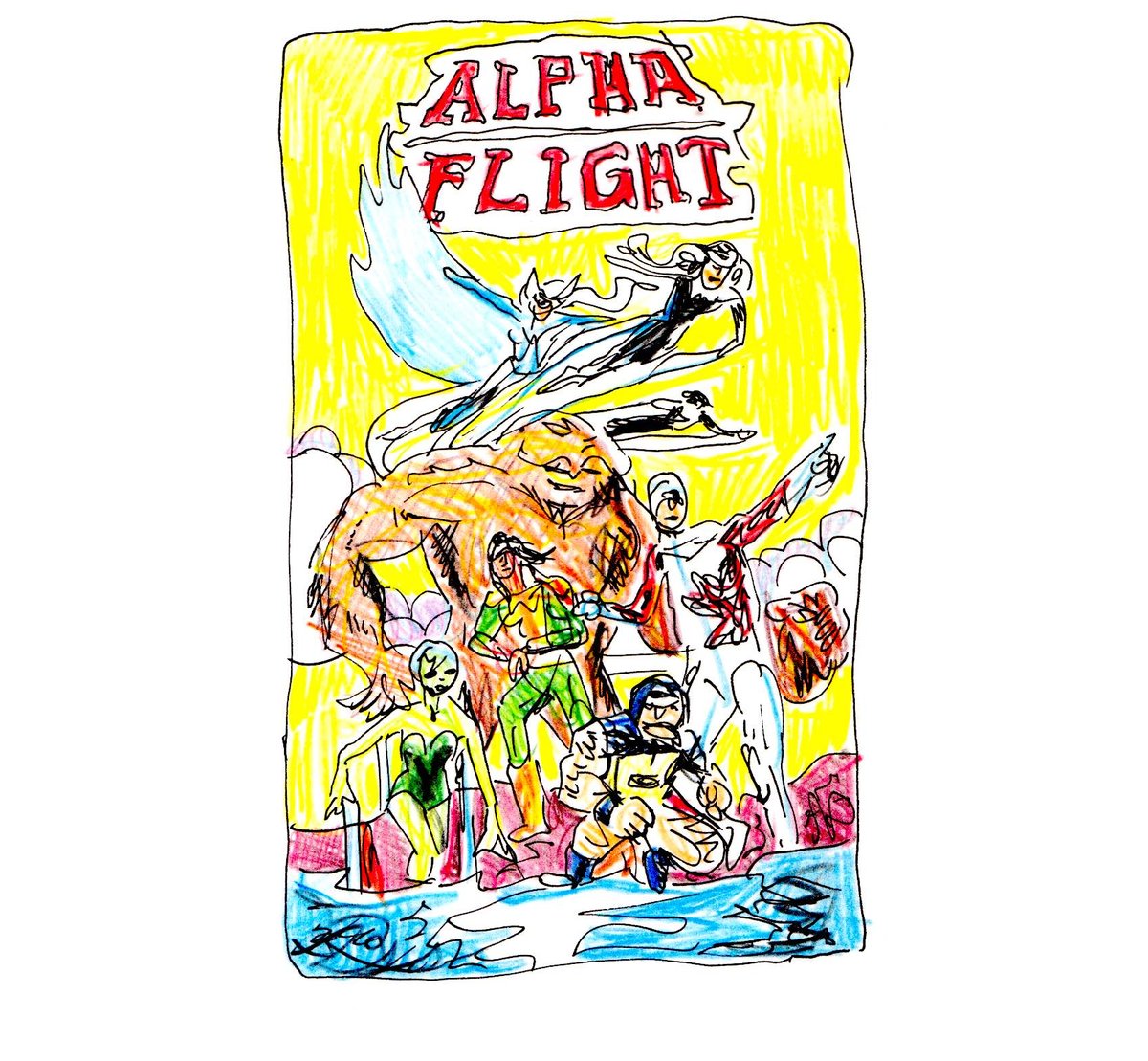
That was when I first got interested in comic books, I think. I ended up being very interested in them for a while. I would take whatever money I made from paper routes and mowing lawns to the mall and select a few different mostly Marvel Comics for 75 cents apiece. I didn’t really know many of the characters except maybe Spider-man, which I didn’t buy very often even though I like him (I think I don’t like watching him get beat up or struggle with being broke possibly). I also thought Mary Jane was all wrong for him. But I often think that when I see couples. Honestly, who knows what couples want from each other? I liked the Marvel mutant books, like early X-Factor, Chris Claremont X-Men, and New Mutants. But my favorite for some reason was Alpha Flight, which was this weird dysfunctional Canadian supergroup.
Is there a book/movie/whatever that you’d like to experience again for the first time?
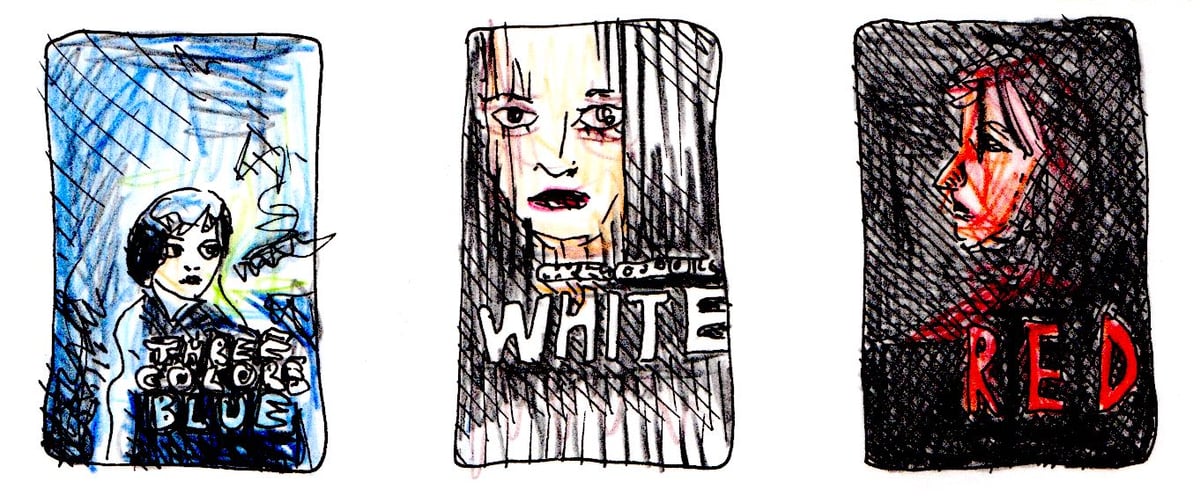
I wonder if I would like to see Krzysztof Kieślowski’s Color Trilogy again. Or maybe I only loved that at the time. The first movie that blew my mind was Star Wars, which I saw on the big screen when I was very young, and I thought all movies were just going to be like that all the time. I’m not sure that holds up exactly, either, on re-watching.
Please tell me something silly that you love.
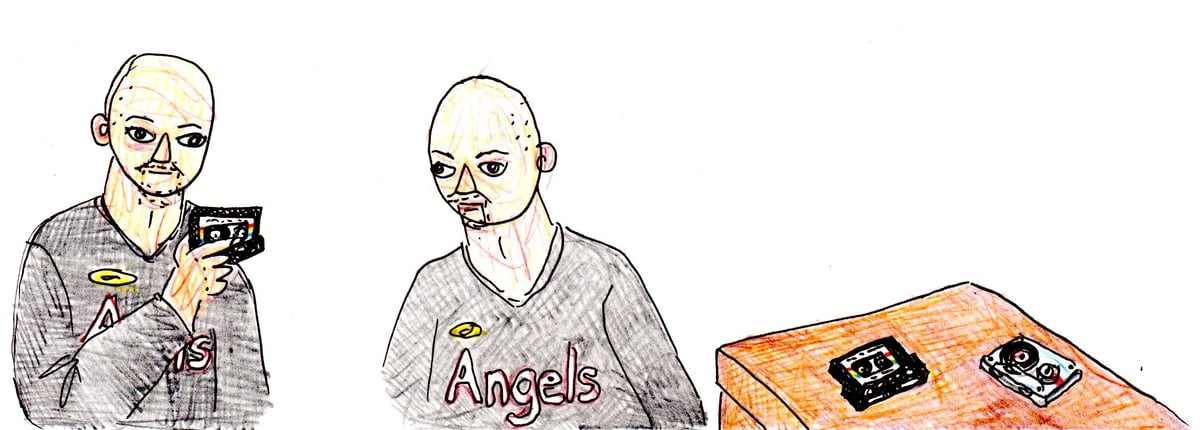
Cassettes? They’re kind of silly. But their analog imperfections amuse me and I love having them strewed caseless around my spaces.
Have you ever written a poem to or for God?
I did write a short one that I have memorized from long ago. “God is the / man in the Coke / machine who won’t / accept my wrinkled dollar.” The line breaks may have been different. This might have been written around the time that I had my sacrament of confession rejected by a priest because I refused to promise God I would never, like, masturbate ever again. I’m glad I did not promise that, and I ended up going to confession again a few months ago, after a 33-year break.
COWEN: What is your most unusual successful work habit?
ROBINSON: I think it’s becoming used to the fact that it takes me a long time to get to the place where I can work on something — that all this frustration [laughs] and depression that precedes my writing anything is part of the process of writing.
As someone who’s interested in finding God, I liked letting this religion-themed conversation wash over me. I also liked the idea that creative projects just have to take as long as they take and be as hard as they are. Robinson’s new book is about Genesis — she calls the Bible “the most complex document on the planet” — but in the interview they touch on several non-religious topics, too (like the above). Meanwhile I’m enjoying reading the negative reviews of her book on Amazon, which is probably bad (of me).
Because I don’t hardly blog anymore, I turned the email newsletter for my ice cream shop into kind of a blog where sure I talk about ice cream a good amount, but I also tell stories about when I was a tour manager for a band, document how terribly hostile Intuit is towards their business customer base, and share internet ephemera my customers might not have seen. It’s been feeling a little stale lately, because after three years I think I finally told all my tour stories so I wanted to do something new.
The new thing is Road Snacks, a semi-regular feature where an ice cream shop interviews a touring musician asking questions about the food situation on tour. I think it’s changed a lot and probably not too much since I was doing it. The first interview ran today featuring Cary Ann Hearst from the Charleston band Shovels & Rope, who is great. Click through to read the whole thing. If you’d like to sign up for the newsletter, you can do that here, and we’ll see if it’s interesting even if you don’t live in Boston.
How has eating on tour changed for you since you first started touring?
Eating definitely changes! We used to just eat pizza everyday after the show, but that will kill you eventually so we changed! Everyone watching their water and their fiber intake. It’s wild - we pop vitamins now. But in Indy the other night a man made us pizza in his shop after the show. Sam’s Square Pies?! The best pizza I have ever had. Detroit Style. We literally wrapped and froze individual pieces so that we wouldn’t waste a slice of the 30lbs of pie - thanks Jeff!
It’s 12:30am and you’re at the gas station before a five hour drive to the next city. What snacky treat(s) are you grabbing and why?
My trash snacks from the gas station are an Arizona Green Tea in a can, pork rinds, a bag of lemon heads and pack of bubble gum. We get a gallon of water and fill our canteens. I need a mix of sweet and savory - and since we only get the opportunity to indulge those trashy snack instincts every once in a while I indulge and then remember not to do that once my blood sugar crashes.
Jason doesn’t know it yet, but I’m probably gonna ask if I can run the interviews here, too.
Hi, Edith here. This is the first in an interview series in which I talk to people about their media diets and habits. Jason seemed like a good person to start with as we figure out the format, although honestly his actual Media Diet series is more thorough. Look for the next installment in a few weeks!
So, have you seen or read anything good recently?
I saw Dune Two on opening weekend. And I went by myself, which I like to do. There are no IMAX screens in Vermont, but there’s a theater about 45 minutes from me with a screen called the T-Rex. It’s not quite IMAX, but it’s not bad either.
How was it?
Great. Better than the first one.
And it was definitely a movie that you want to see on the big screen. Like you could feel the bass, and at one particular moment it felt like the whole theater was vibrating.
I’m sure you’ve read Dune. Have you read it many times?
I have not read Dune, ever.
Really?!
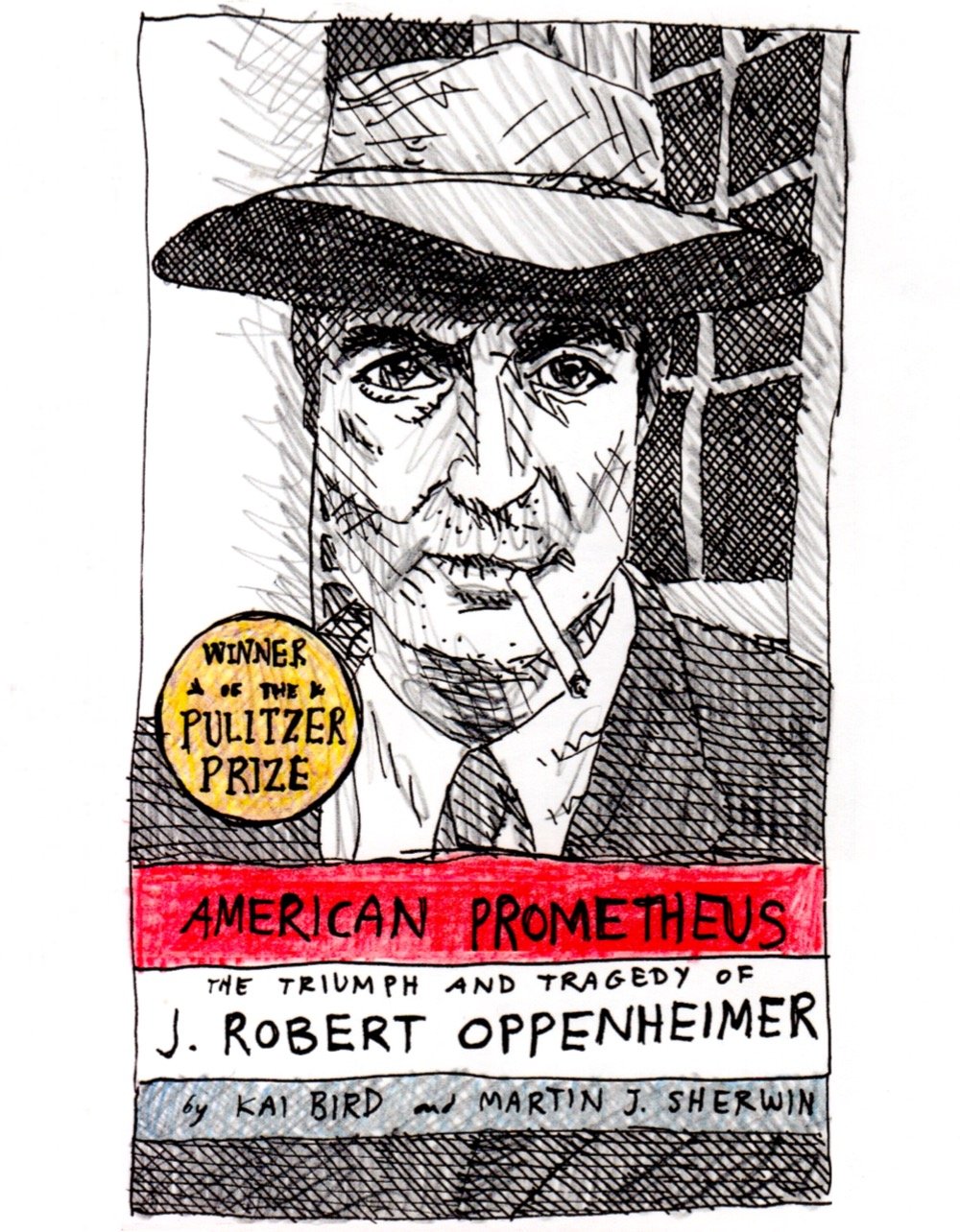
I’m not sure the movie necessarily makes me want to read Dune, either, which is surprising, because usually when I see a movie based on a book, I’ll be like, “Oh I need to read that.” Like when I saw Oppenheimer, later I read the book it’s based on, which is this 600-page biography of Robert Oppenheimer. And it was good, but I think the movie was better.
You mentioned the other day that you haven’t been enjoying, or even reading, many books recently. Is that true?
Pretty much? For the last couple months, I’ve been working a lot, and that means spending a lot of time on a device – my computer, my phone. And generally I don’t want to read after I’ve been working a lot. TV is much more something I turn to. Also video games. Like I play Fortnite, which is something I started doing with my kids, but now I play more than they do, which is weird.
And so you’re playing against other strangers on the Internet?
Exactly.
Are you good?
I don’t think so. But I’ve gotten a lot better.
And I know you play some of the NY Times games too.
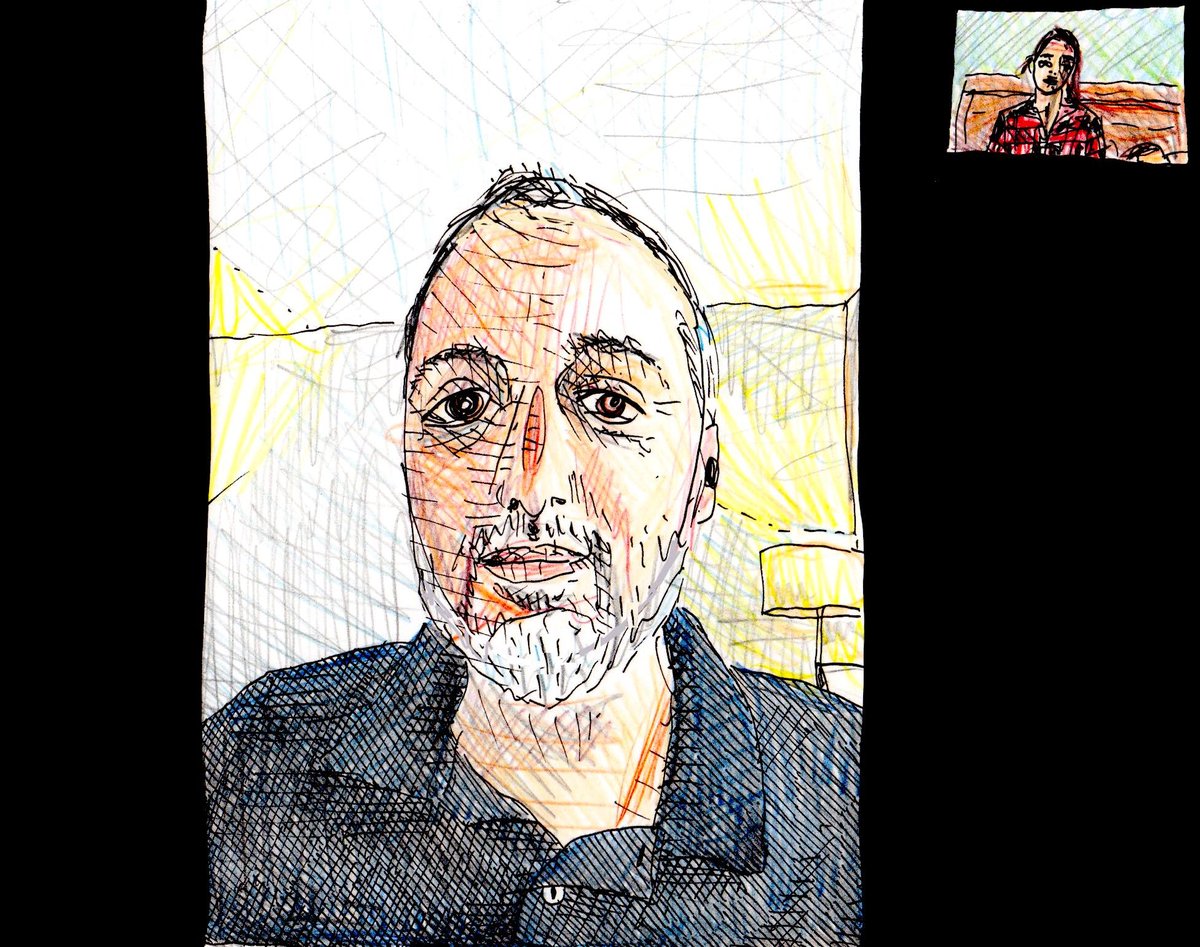
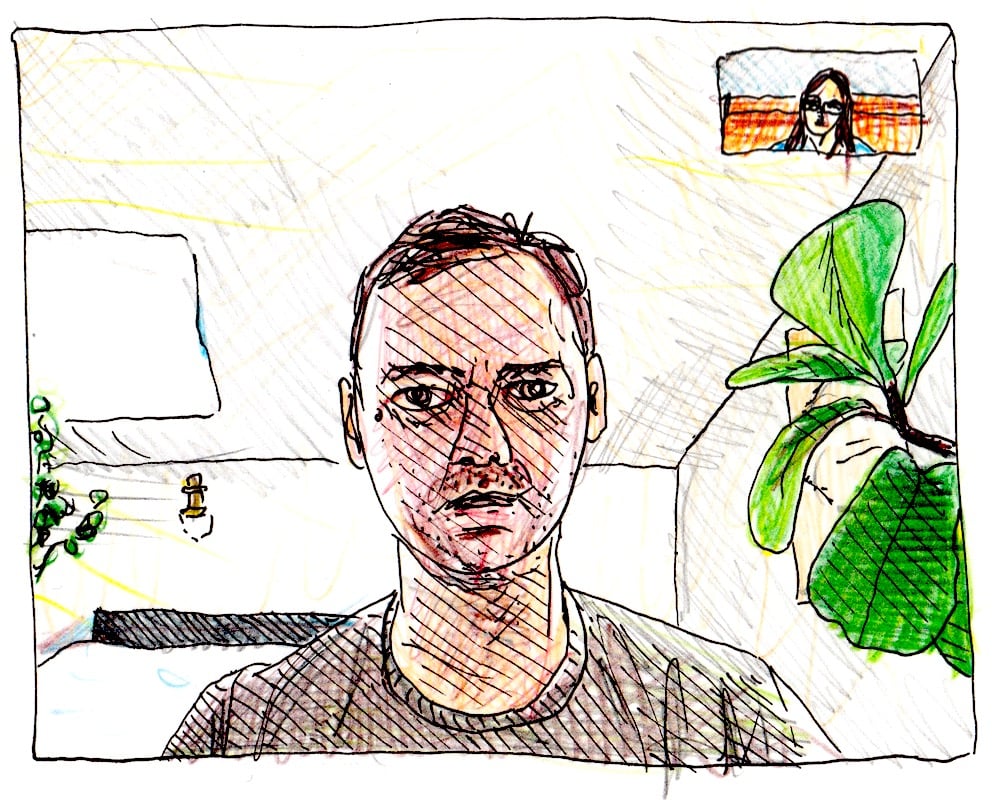
I do the crossword almost exclusively with a friend over FaceTime. She shares her screen, and we solve them together.
I wasn’t a crossword puzzle person beforehand – and I kind of hate Scrabble because at a certain level it’s all about strategy and memorization, which is boring to me. I felt similarly about crossword puzzles, but then she and I started doing them, and I was like, “Oh this is actually pretty fun,” and now we do maybe two or three a week.
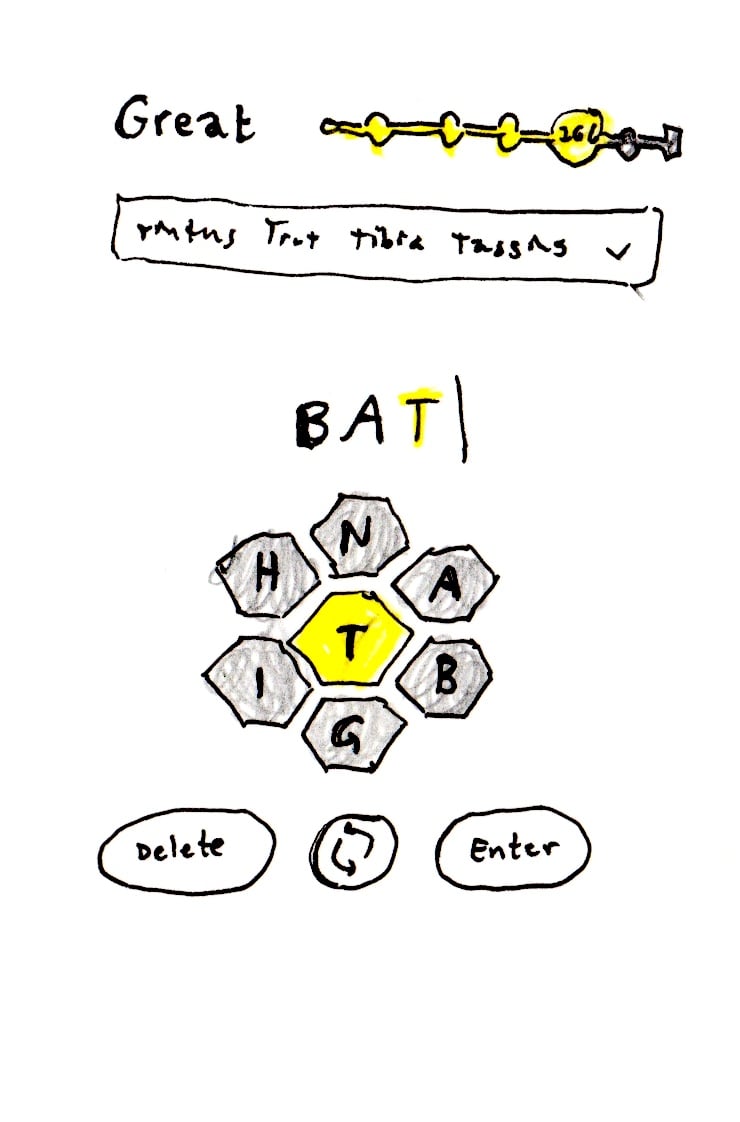
And I don’t do Wordle, but I do play the Spelling Bee and Connections. And I’ll do the little mini crosswords on my phone. But a lot of that is just procrastinating about getting out of bed in the morning.
So they’re mostly morning experiences for you?
Yes. I will go back to Spelling Bee, though, if I didn’t do well in the morning.
What’s doing well?
I don’t get Genius every day, but I would like to. But sometimes I just don’t have the patience for the particular puzzle, and I’m like, I’m sorry, I don’t want to grind.
And I’m not judging others, but for me, if I’m spending too long on the Spelling Bee, it means I probably need to get up and move my body, or, you know, engage my brain in a different way.
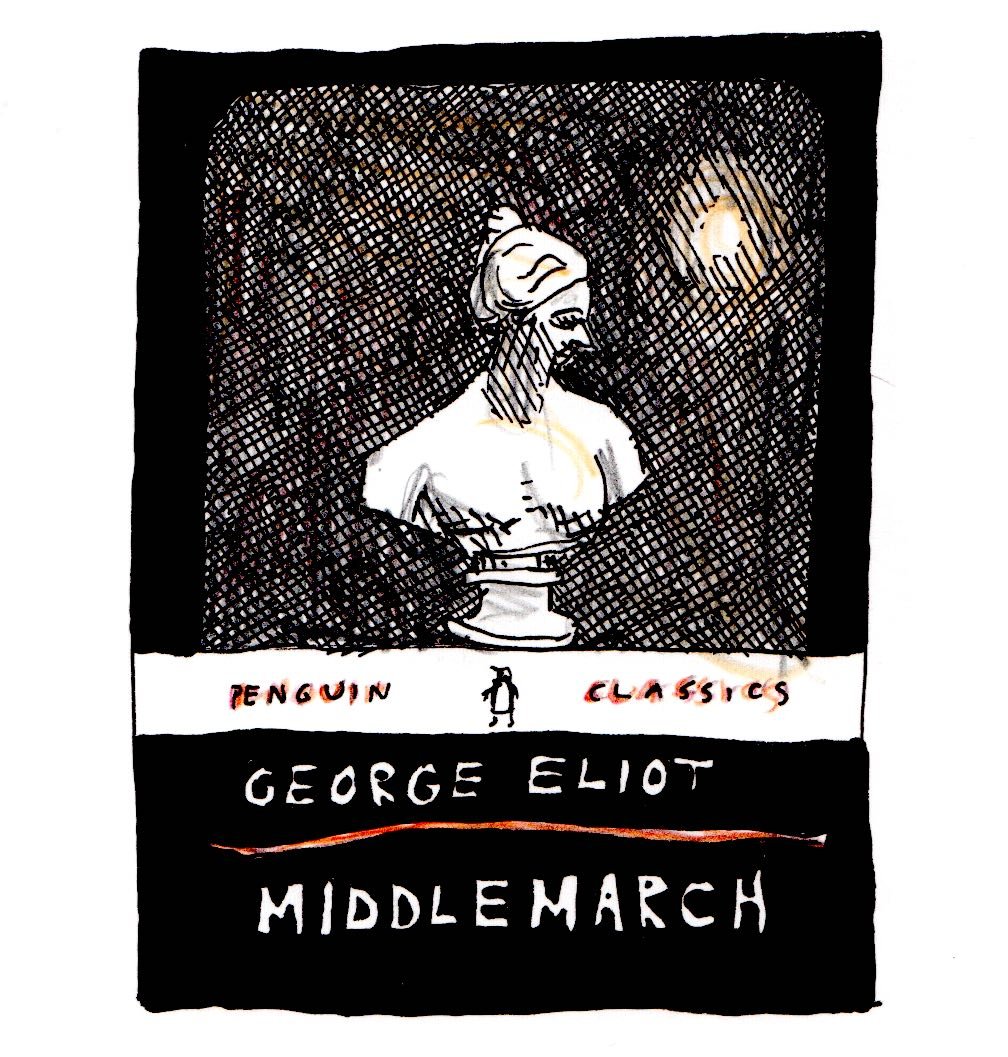
You mentioned that you read Middlemarch last year. How did you squeeze that in? Because that’s a commitment. Middlemarch was wonderful. I loved it. When you take seven months off work, you can have time to relax, and my reading went crazy. I couldn’t get enough books, because I wasn’t reading anything online. I stopped cold turkey, basically. People would send me links, like, “Here’s an interesting New Yorker article,” and I’m like, nope. Not even news. Not gonna read it. I’m gonna read about Dorothea and Casaubon.
What were other highlights, book-wise, from that time?
Middlemarch was definitely the highlight. I don’t know if I’ll ever have another sabbatical like that. It was probably a once-in-a-lifetime thing.
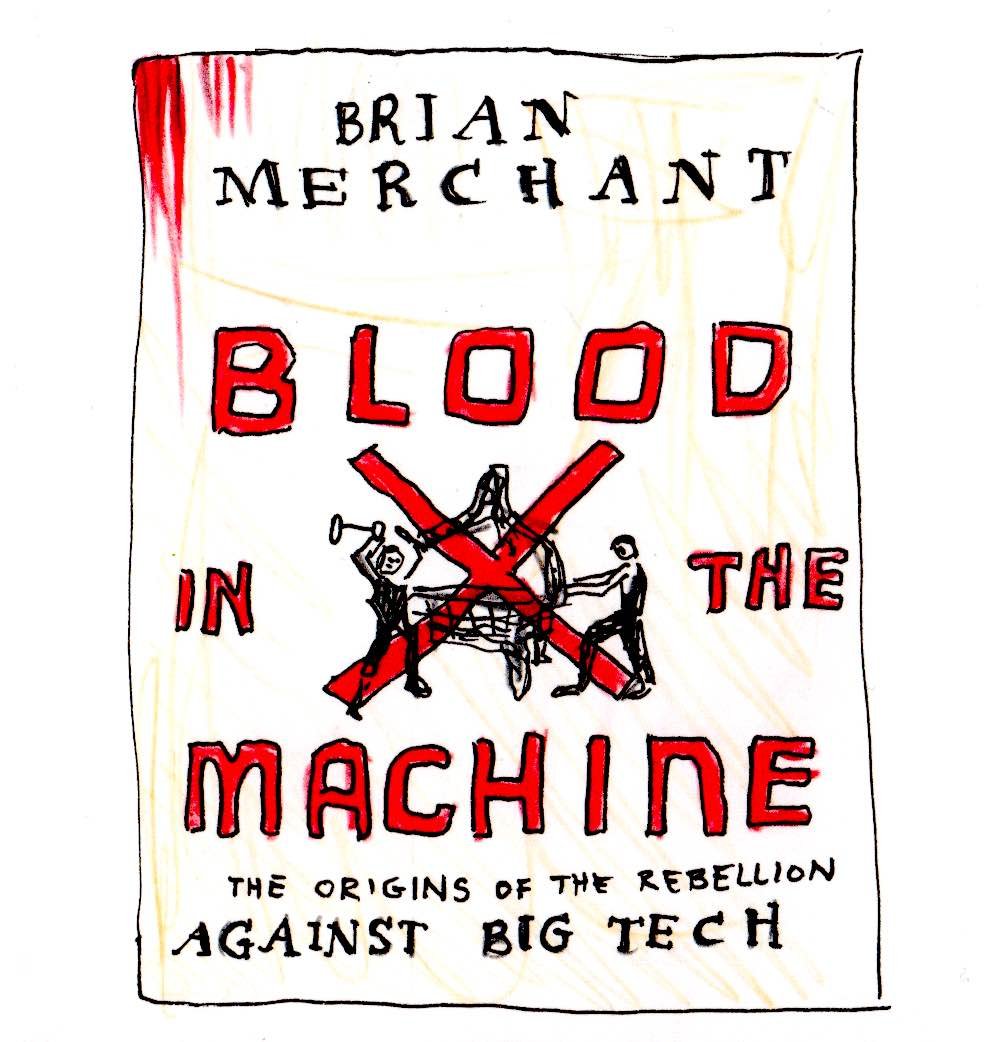
Right now I’m listening to a good audiobook, though: Blood in the Machine, by Brian Merchant. It’s about the Luddites.
It was painted as an anti-technology movement in the early 19th century, but the book recontextualizes it as a labor movement. Rich factory owners were introducing new technologies, and people were getting laid off. Workers were angry and would go into the factories to smash machines, but they would only smash the ones that were, like, driving people out of work. The machines that actually helped the laborers do their jobs, those were kept.
And he relates it to what’s going on these days with AI and the current anti-tech movement. I’m enjoying it.
How did you hear about it?
I’d seen it on some “best of” lists at the end of 2023, and then Casey Johnston recommended it on Blue Sky. She was like “this book is great,” and so I was like, Okay, that’s good enough for me.
Do you listen to things most of the time while you’re driving?
Maybe half the time. I also use driving time to think. Like if there’s some work thing I need to think over, I’ll put on music without words, and just, you know, spin the wheels.
But when I don’t feel like doing that, I’ll listen to an audiobook or podcast.
What kinds of music do you listen to?
The music thing is embarrassing because I don’t listen to a lot of, like, new music. André 3000’s flute album is maybe the newest thing I’ve listened to recently.
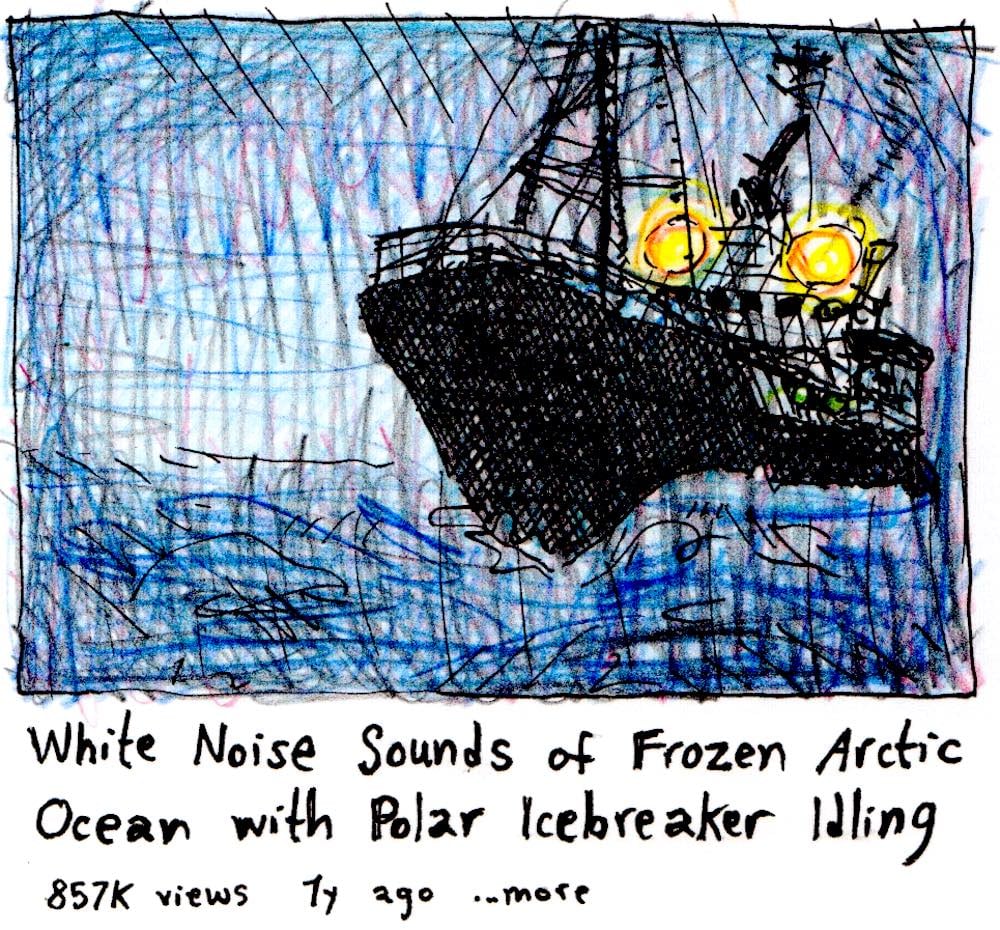
I can’t write when the music has lyrics, so when I’m working I play a lot of classical and soundtracks. Also videos on YouTube. One of my favorites is just basically an ice breaker idling in the Arctic during a storm.
I also listen to a lot of electronic music, at varying levels of, uh, what would be considered good? And when I’m programming or designing, I listen to a lot of upbeat house, club, and techno.
Anything you’ve seen recently that just wasn’t for you?
Rebel Moon on Netflix was bad. Not even “not for me.” Just objectively terrible.
And something you loved? The Zone of Interest. I saw it a few weeks ago and have thinking about it ever since, especially the sound design.
I listened to the latest episode of the Ezra Klein Show while driving last night then spent the second half of the drive thinking about it. So I guess I’d better tell you to go and listen to it. Klein interviews Rhaina Cohen, who is the author of the forthcoming book The Other Significant Others: Reimagining Life with Friendship at the Center (out Feb 13). They talked about loneliness, the changing definition of friendship (and family) throughout history, polyamory, co-parenting, and lots more.
How do we imagine many other possibilities for parenting, for aging, for intimacy, for friendship, for romance than what we have right now? Because the idea that what we have right now is a working norm and everything else should be understood as some deviation is wrong. It is factually untrue.
It is not a norm. It is a wild experiment in the history of human existence. We have never done this before for any period of time. It’s not how we raised children. It is not how we have met each other. It is not how we have lived together.
And it’s not working for a lot of people. So this is an experiment, and we should be trying more. And what Cohen’s book is about is these experiments, is looking at things people are already doing, and, in a sense, making clear that there are more relationships happening right now in the world around you, more forms of relationship, than you could possibly imagine.
This is a treat: almost 25 minutes of legendary director Martin Scorsese talking about how he made his most iconic movies, from Mean Streets and Raging Bull to Gangs of New York and The Irishman. You have to laugh at the number of times he says, “Well, I didn’t want to make this film, but…” From an accompanying profile/interview with Scorsese (which is quite good as well):
It is a peculiar fact about Martin Scorsese that he does not enjoy actually making movies. “I don’t mean to be funny,” he said, “but, the thing is, you get up real early.” And Scorsese has never been a morning person. For most of his life, he recalled, “I’d stay up late watching movies on TV or reading late, or doing homework late, or trying to write scripts late. I lived at night and the streets were dark, and I never saw the light. It took me many years to understand where the sun set and where the sun rose. I didn’t know. I’m not kidding. I learned it in LA. When you’re going on Sunset Boulevard and you hit the Pacific Coast Highway and it’s seven o’clock and the sun is setting — it’s right there.”
He likes to borrow a complaint from Kubrick. “They said, ‘What’s the hardest thing about directing?’ He said, ‘Getting out of the car.’ Because once you get out of the car, the questions start.” Now, when Scorsese gets out of the car in the morning, he looks at his AD and says, “What can’t I have today?”
For the role of a teacher/coach in her new film Bottoms (about a pair of queer girls who start a fight club in their high school in order to get laid), director Emma Seligman made the unorthodox decision to cast former NFL player Marshawn Lynch. It turned out to be an inspired choice — according to an interview with Seligman, he was a natural.
He was one of the best improvisers I’ve ever worked with. I’m not overstating that. He improvised most of his stuff in the movie that ended up in the final cut! We couldn’t ever write something that would be as funny as what he gave us. He’d spew out the most brilliant jokes ever. I kept on encouraging him to do more improv. He’d be like, “Ugh, that stuff’s easy! I wanna get your words right!” I told him that it was so much better than anything we could have written and he was like, “I don’t care about this. I want to honor your work.” I’m so glad I got to talk about him this much.
Here’s a short clip of Lynch doing his thing as Mr. G, “an air-headed high school teacher”:
Lynch also used the film as an opportunity to make some amends for how he reacted when his sister came out as queer:
This was a good opportunity for me because when I was in high school, my sister had came out as being a lesbian or gay — I did not handle it right. You feel me, as a 16-year-old boy, I didn’t handle it the way that I feel like I probably should have. So I told [Seligman] it was giving me an opportunity to correct my wrongs, to rewrite one of my mistakes.
From that interview with Seligman again:
In our first conversation, he told me that his sister is queer and when they were in high school, he didn’t necessarily handle it super well. He felt like this movie coming into his hands was the universe giving him a chance to right his wrongs. That’s what he said. He walked her down the aisle. He felt like they were all good, you know? But his sister thought it’d be really cool if he did this.
If you have never seen this old interview with Lynch about the value of persistence, buckle up because you’re in for a treat:
Illustrator Kevan Atteberry created the Clippy character that was introduced in Microsoft Office 97. There was a ton of backlash when the character was introduced, but as time has passed, many people have begun to think fondly of him.
He’s a guy that just wants to help, and he’s a little bit too helpful sometimes. And there’s something fun and vulnerable about that.
I’m good at making things, but not talking about why. I made them because I don’t know how to talk about why. The explanation is the thing I made.
This too is something I try to hold myself to:
I also just do it, you know what I mean? I just make shit. 90% of doing anything is doing it. Not to sound self-help-y, but when people are asking me for advice, my first thought is, you should just do it. You beat so many people already if you just actually make a finished thing.
I am still a perfectionist sort of person, but when your work entails publishing 10-20 things in public every single day, you have to let go of that. Good enough is better than nothing at all.
Embrace your inner little baby (with really good taste):
I essentially have to get back to feeling like I’m a little baby to make things that are good. A baby with really good taste.
In this short video from the BBC narrated by Helena Bonham Carter, activist and actor George Takei talks about his imprisonment in an American concentration camp during WWII because he was of Japanese descent.
I began school in Rohwer, a real school, in a black tar paper barrack. There was an American flag hanging at the front of the classroom and on the first morning, the teacher said, “We’re going begin every morning with the pledge of allegiance to the flag. I will teach it to you and you are to memorize that.” But I could see right outside my schoolhouse window the barbed wire fence and the sentry tower as I recited the words “with liberty and justice for all”. An innocent kid, too young to understand the stinging irony in those words.
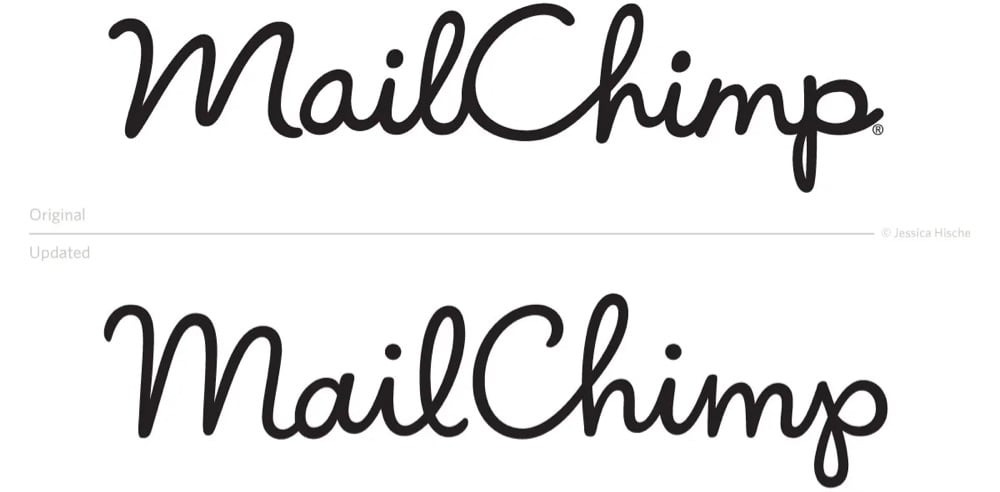
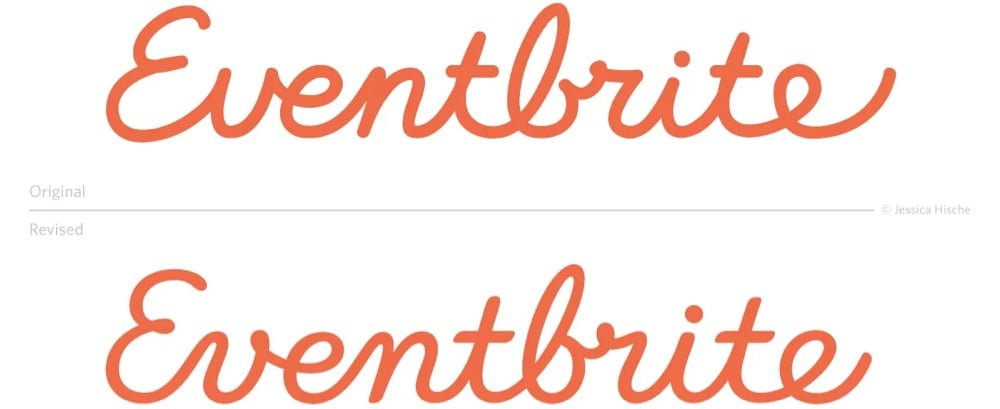
There are a number of reasons why companies decide that a refresh — rather than a rebrand — is the right move. Many of the companies I work with simply want a logo asset that is easier for their designers to work with. Sometimes there are issues with the current logo that make it harder to design around, or make it less flexible on different design applications. For example, logos with long ascenders and descenders create difficulties with balancing whitespace, and logos with tight counterforms or complex details don’t scale well.
Aside from adding utility, refreshes can be a nice way to make an older logo asset play well with a new brand system — we can make subtle tweaks to letterforms that make it better match new typefaces chosen for the brand or blend with the mood of photography better.
You can see a bunch of logo before & afters at Print or on her website — and her recent work for Squier is here. The differences may look negligible, but in each case, the new version is cleaner and easier to read — they just look nicer and smoother after Hische is done with them.
Every year since she was 15, Billie Eilish has sat down for a video interview with Vanity Fair to take stock of where she’s at in life, how her career is going, and how the present compares to the past. The sixth installment has just been released (and will be the last annual release for awhile).
These are always so fun to watch — and what an amazing bit of luck on Vanity Fair’s part that they picked a very young pop star at the beginning of her career who would go on to win an Oscar some five years later. (via waxy)
If you want a game, I say one game, five dollars, five minutes. So we play a five-minute game for five dollars. If you said you don’t want no clock, I might say I give you one game, $10, because without the clock, it’s longer. You’re wasting time.
Some people say $5 to the winner. That means, we play each other and whoever wins gets the $5. That’s tricky, because I don’t know how strong you are. You might beat me and I lose $5. I’ve wasted time AND I’ve lost money! So I’m one of those people who don’t say $5 to the winner.
I’ll give you a lesson, a half hour for $20. I have some children that come just to see me once a week and I give them a lesson — $20 for a half hour. And there’s a lot of NYU students that come by, we give them a discount for being students. One hour for 40 bucks.
Marcel A. offered this advice that applies to nearly any situation:
The one thing I tell my students is that when you get to a confrontation of any type, you have to remain calm. When you remain calm, you can see the board a lot clearer. You can see the person you’re playing or arguing with a lot more clearly, for who and what they are. So you don’t even have to entertain that shit. You understand?
Nathaniel W. shares what he’s learned about people:
They timid, they’re not willing to take a chance. See this? [He moves a pawn forward one space.] That means sometimes people don’t want to be hurt. They have a fear of losing.
And E.G.G.S. offers perhaps the wisest advice of all:
I’m stuck right now. I can’t give any life advice.
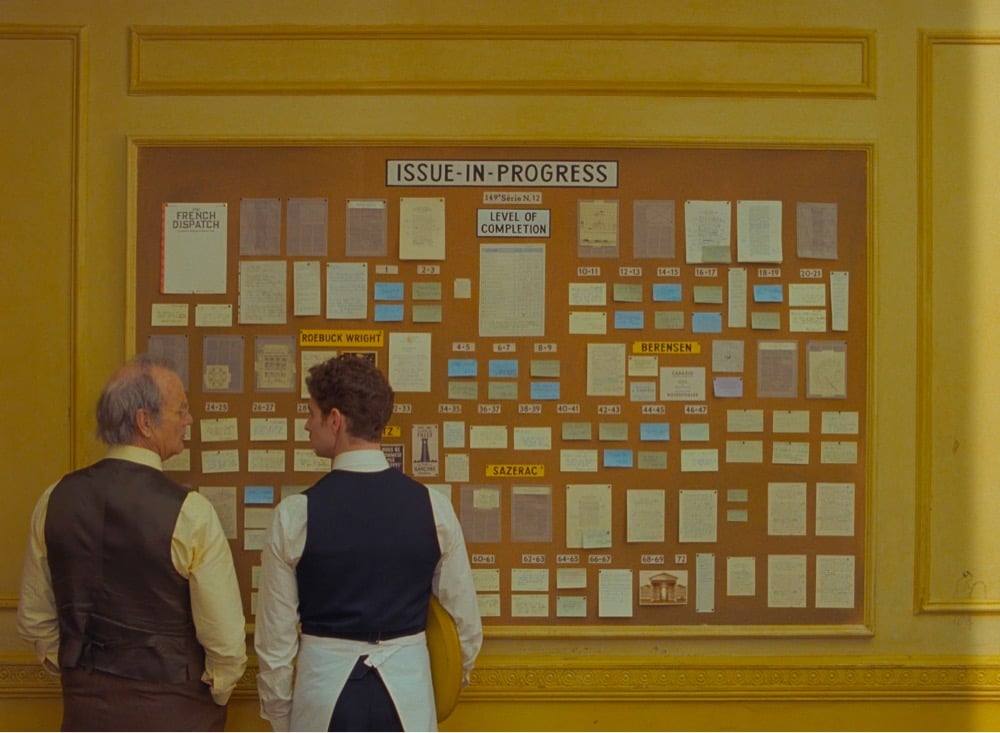
I’m just speaking for myself, but I recently rewatched all of his films in chronological order. You can see typography become a more and more prominent component over time — it’s quite fascinating. In later films like Isle of Dogs and the French Dispatch, it almost becomes its own character rather than a visual or narrative flourish. Especially in a story about writers and publishing, every book, every page, every shop sign, every poster.
Even thinking about the three stories contained within the film, graphic design and typography are really at the core of each one: exhibition posters, protest signs and even menus. You piece a lot of key information together just through certain objects from the set, as well as emotional nuance: humour, joy, sadness. With such a huge part of the narration depending on typography, you have to expect a high level of detail.
Some people can be quite dismissive of Anderson’s work as preoccupied with mere aesthetics, so it’s great to hear Boulanger talk about the depth that something that’s ostensibly aesthetic like typography brings to his films. I loved the use of type in The French Dispatch…so much information conveyed with “just” words. (via sidebar)
Since Billie Eilish was 15 years old in 2017, Vanity Fair has been interviewing her every year to see what she is up to, how she is feeling, and what has changed from previous years. A key message from this year’s video, in response to “technological thing that blows your mind”:
The vaccine, dude. Hell fucking yeah. I really, really urge you — if you are not already vaccinated, please get vaccinated. It’s not just for you, you selfish bitch. It’s for everyone around you. Take care of the people around you, man. Protect your friends, protect your children, protect your grandparents, protect anyone you walk by.
If you haven’t seen this before, it’s interesting to go back to watch the interviews from 2017 & 2018, 2019, and 2020 — it’s a fascinating chronicle of a young woman getting really famous really fast and growing up in public. Like I said last year:
I still marvel that Vanity Fair embarked on this project with this particular person. They could have chosen any number of up-and-coming 2017 pop singer/songwriters and they got lucky with the one who went supernova and won multiple Grammys.
Wes Anderson’s tenth film, The French Dispatch, is about a fictional magazine published by a group of Americans in France. The movie’s magazine is based on the New Yorker and in advance of its release, Anderson has published an anthology of articles from the actual New Yorker (and other magazines) that inspired the characters in the film. It’s called An Editor’s Burial.
A glimpse of post-war France through the eyes and words of 14 (mostly) expatriate journalists including Mavis Gallant, James Baldwin, A.J. Liebling, S.N. Behrman, Luc Sante, Joseph Mitchell, and Lillian Ross; plus, portraits of their editors William Shawn and New Yorker founder Harold Ross. Together: they invented modern magazine journalism.
Two reasons. One: our movie draws on the work and lives of specific writers. Even though it’s not an adaptation, the inspirations are specific and crucial to it. So I wanted a way to say, “Here’s where it comes from.” I want to announce what it is. This book is almost a great big footnote.
Two: it’s an excuse to do a book that I thought would be really entertaining. These are writers I love and pieces I love. A person who is interested in the movie can read Mavis Gallant’s article about the student protests of 1968 in here and discover there’s much more in it than in the movie. There’s a depth, in part because it’s much longer. It’s different, of course. Movies have their own thing. Frances McDormand’s character, Krementz, comes from Mavis Gallant, but Lillian Ross also gets mixed into that character, too — and, I think, a bit of Frances herself. I once heard her say to a very snooty French waiter, “Kindly leave me my dignity.”
As Morrison then noted, it would be very cool if every movie came with a suggested reading list. The French Dispatch is set for release in the US in late October and An Editor’s Burial will be out September 14 and is available for preorder.
What do you wish people knew about being trans?
The main thing is that it’s not a choice. It’s a choice to come out, but being trans is not a choice. It wasn’t like one day I woke up and felt the way the wind blew and wanted to be a girl. I ALWAYS knew I wasn’t a boy. It wasn’t that I wanted to be a girl; I WAS a girl. I just had to put that into words and explain that.
Aya, she/her, age 9:
How did you tell your parents?
There was one night when my sister was like, ‘So… Mommy’s a girl, I’m a girl, Daddy’s a boy, and you’re a boy.’ But I immediately was like, ‘No, no, I’m a girl.’ And that was the first time, but there was another time. We were driving back from Mommy’s school, and she was telling me about the different words like transgender and all different words and when she described transgender, I was like, that’s me. I was five.
And this:
Also, fun fact: When we were watching a Mo Willems episode about drawing, he told us that his child is transgender — the one from Knuffle Bunny. Trixie is now Trix!
The comments on the post are worth reading as well — CoJ has the best comments section on the internet, quite a feat for 2021.
As part of the Tech Support series, Wired had Yo-Yo Ma answer some questions about the cello and music sent in by Twitter users. What I like about this is that no critic or professional interviewer would ask these questions (they are “bad” interview questions) and yet Ma answers them all generously and thoughtfully. It reminds me a little bit of when Vogue trained an AI program to interview Billie Eilish:
What I really loved hearing Billie say was that human interviewers often ask the same questions over and over, and she appreciated that the AI questions don’t have an agenda in the same way, they’re not trying to get anything from her.
Perhaps with interesting subjects who are game, having “good” interview questions maybe isn’t that important, particularly if they are repeated queried about the same topics in every interview.
This is pretty unusual. Years ago, NY Times film critic AO Scott panned Sarah Silverman: Jesus Is Magic and Silverman, instead of reacting in a typical way, ultimately took his core criticism to heart and changed the way she thought about her comedy. The two of them recently linked up for a conversation about the “challenges both of doing comedy and of writing criticism”, namely that:
You’re supposed to be honest, and you’re supposed to tell the truth and not worry about giving offense. On the other hand, what you do, what I do has a risk of hurting people.
Here’s Silverman:
But the thing you wrote that kind of changed me on a molecular level, which is what, I think, you were kind of onto at the time was completely what I was abusing — and you saw that before anyone else, and you made me see it — which is I’m liberal, so I’m not racist, so I can say the N-word, because I’m illuminating racism.
My intentions were good but ignorant, and it’s funny that in that movie and in the subsequent series I did, my character was ignorant [and] arrogant, but what I didn’t realize was [that I] myself was arrogant [and] ignorant.
I couldn’t help thinking of Pixar’s Ratatouille here, in which the opposite thing happens: the artist changes the critic’s mind.
I am still listening to the excellent interview with Tressie McMillan Cottom on The Ezra Klein Show, but I wanted to highlight this exchange right at the beginning of the interview because I think it’s relevant to a lot of our shared interests, especially if you’ve been online reading blogs or personal sites for 15, 20, or even 25 years:
EZRA KLEIN: Well, I’m always asking for us to bring back blogging.
[LAUGHING]
There is a nostalgia, oftentimes, among people who came up in it, for the internet of the aughts.
TRESSIE MCMILLAN COTTOM: Yeah. The old internet.
EZRA KLEIN: Do you think that’s nostalgia, or do you think something was lost?
TRESSIE MCMILLAN COTTOM: Hmm. OK. So I now work with a lot of internet people. I’m in an information school at a university. And so a lot of my very good friends are those people, so I want to tiptoe carefully. I do think that there was a clubbiness and a camaraderie, even among people who politically disagreed. There was a class of thinkers, a class of writers who came up in that web 2.0 that does feel like, yeah, we lost something there.
There was a humanity there for good or for bad. Humanity is messy, but there was a sense that those ideas were attached to people, and there were things driving those people, there’s a reason they had chosen to be in that space before it all became about chasing an audience in a platform and turning that into influencer and translating that into that — before all that happened, the professionalization of it all. And that’s what I think we’re missing when we become nostalgic for that web 2.0. I think it’s the people in the machine.
Having said that, I am very resistant to nostalgia as a thing because usually what we are nostalgic for is a time that just was not that great for a lot of people. And so what we were usually really nostalgic for is a time when we didn’t have to think so much about who was missing in the room, who wasn’t at the table. So when I talk to friends, and especially younger people coming up behind us either in the internet or in writing spaces, we’re like, that time was horrible for young queer people.
They talk about looking for little safe pockets of space in web 2.0 world where it was still very OK to be homophobic, for example, in those spaces and our casual language and how we structured that kind of thing. And they love being able to leave that part behind in this new world of whatever the web is now, both a consolidated and a disaggregated new web.
That’s why I’m like resistant to nostalgia. At the same time, I’m like, yeah. I also laugh and go, I really miss having a blog. In some ways, coming back to the newsletter, and Substack was kind part of that. It’s me being nostalgic for having a place where I could put thoughts that didn’t fit into any other discourse or genre, and I wanted a space where I could talk to people who were actually interacting like real people. They weren’t acting like bots, or trolls, or whatever your internet persona is.
So, I mean, I say I’m resistant to nostalgia. I just try not to reproduce it, but even I get a little — I’ll always have a soft spot for Blogger, which is coincidentally my first “where I state” space on Blogger.
EZRA KLEIN: Yup. Me too.
TRESSIE MCMILLAN COTTOM: [LAUGHS] I’ll always be a little romantic about it.
EZRA KLEIN: But I think you’re right about that criticism of it, too. Something that, for all that I can tip into nostalgia, something that I think is often missed in today’s conversation is the conversation has never been wider.
TRESSIE MCMILLAN COTTOM: Yes.
EZRA KLEIN: People talk all about things they can’t say, but it has never been wider.
TRESSIE MCMILLAN COTTOM: Yup.
EZRA KLEIN: There’s never been a larger allowable space of things you could say.
TRESSIE MCMILLAN COTTOM: That’s right.
EZRA KLEIN: And people have also never been more pissed about how it feels to participate in it. I don’t want to say never, but broadly, there is an intensity to that conversation that is distinct, and I don’t think those things are unrelated, right? I think it is the wideness of the conversation and the fact that there are so many people you might hear from that make you feel cautious and insecure and unsafe, and the good of it is the bad of it.
TRESSIE MCMILLAN COTTOM: Exactly. One of the things I like to say to people is that we think that broadening access in any realm — we do this with everything, by the way. It’s such an American way to approach the world. We think that broadening access will broaden access on the terms of the people who have benefited from it being narrowed, which is just so counterintuitive.
Broadening access doesn’t mean that everybody has the experience that I, privileged person, had in the discourse. Broadening it means that we are all equally uncomfortable, right? That’s actually what pluralism and plurality is. It isn’t that everybody is going to come in and have the same comforts that privilege and exclusion had extended to a small group of people. It’s that now everybody sits at the table, and nobody knows the exact right thing to say about the other people.
Well, that’s fair. That means we all now have to be thoughtful. We all have to consider, oh, wait a minute. Is that what we say in this room? We all have to reconsider what the norms are, and that was the promise of like expanding the discourse, and that’s exactly what we’ve gotten. And if that means that I’m not sure about letting it rip on a joke, that’s probably a pretty good thing.
Look, as someone who benefitted hugely from it, I miss the golden age of blogging as much as anyone — productive discussions in comment threads, the community alchemy of Flickr, Google Reader, cross-blog conversations, the Open Web, small pieces loosely joined, etc. etc. etc. — but over the past few years, I’ve felt a lot less nostalgia for it for exactly the reasons McMillan Cottom & Klein are talking about here. Make the Internet Great Again is, in many important ways, as short-sighted, futile, and limiting as, well, you know.
Q: Is there a life philosophy that you feel has carried you through your career?
A: My approach to what I do in my job — and it might even be the approach to my life — is that everything I do is the most important thing I do. Whether it’s a play or the next film. It is the most important thing. I know it’s not going to be the most important thing, and it might not be close to being the best, but I have to make it the most important thing. That means I will be ambitious with my job and not with my career. That’s a very big difference, because if I’m ambitious with my career, everything I do now is just stepping-stones leading to something — a goal I might never reach, and so everything will be disappointing. But if I make everything important, then eventually it will become a career. Big or small, we don’t know. But at least everything was important.
“All his life has he looked away, to the future, to the horizon. Never his mind on where he was, what he was doing.” —Yoda, Empire Strikes Back. See also “I’ve Never Had a Goal”. (via @tadfriend)
Writer Ted Chiang (author of the fantastic Exhalation) was recently a guest on the Ezra Klein Show. The conversation ranged widely — I enjoyed his thoughts on superheroes — but his comments on capitalism and technology seem particularly relevant right now. From the transcript:
I tend to think that most fears about A.I. are best understood as fears about capitalism. And I think that this is actually true of most fears of technology, too. Most of our fears or anxieties about technology are best understood as fears or anxiety about how capitalism will use technology against us. And technology and capitalism have been so closely intertwined that it’s hard to distinguish the two.
Let’s think about it this way. How much would we fear any technology, whether A.I. or some other technology, how much would you fear it if we lived in a world that was a lot like Denmark or if the entire world was run sort of on the principles of one of the Scandinavian countries? There’s universal health care. Everyone has child care, free college maybe. And maybe there’s some version of universal basic income there.
Now if the entire world operates according to — is run on those principles, how much do you worry about a new technology then? I think much, much less than we do now. Most of the things that we worry about under the mode of capitalism that the U.S practices, that is going to put people out of work, that is going to make people’s lives harder, because corporations will see it as a way to increase their profits and reduce their costs. It’s not intrinsic to that technology. It’s not that technology fundamentally is about putting people out of work.
It’s capitalism that wants to reduce costs and reduce costs by laying people off. It’s not that like all technology suddenly becomes benign in this world. But it’s like, in a world where we have really strong social safety nets, then you could maybe actually evaluate sort of the pros and cons of technology as a technology, as opposed to seeing it through how capitalism is going to use it against us. How are giant corporations going to use this to increase their profits at our expense?
And so, I feel like that is kind of the unexamined assumption in a lot of discussions about the inevitability of technological change and technologically-induced unemployment. Those are fundamentally about capitalism and the fact that we are sort of unable to question capitalism. We take it as an assumption that it will always exist and that we will never escape it. And that’s sort of the background radiation that we are all having to live with. But yeah, I’d like us to be able to separate an evaluation of the merits and drawbacks of technology from the framework of capitalism.
Echoing some of his other thoughts during the podcast, Chiang also wrote a piece for the New Yorker the other day about how the singularity will probably never come.
I thought this interview with Dr. Ashish K. Jha, dean of the Brown University School of Public Health, was really good and useful in terms of calibrating expectations with regard to the “end” of the pandemic, vaccines, and variants. On the guidance that vaccinated people should be getting:
I think it is essential that we give guidance to people. And I think we should give guidance to people on what they can do safely once they are vaccinated. People say, “Can your behavior change?” My answer is: absolutely! That’s a major motivation for getting vaccinated. First of all, what’s very clear to me is vaccinated people hanging out with other vaccinated people is pretty darn close to normal. You don’t have to wear a mask. You can share a meal. The chance that a fully vaccinated person will transmit the virus to another fully vaccinated person who then will get sick and die … I mean, sure, people get struck by lightning, too. But you don’t make policy based on that. And we need to remind people that there is a huge benefit to getting vaccinated, which is that you are safe enough to do the things you love with other vaccinated people.
In this extensive video, The Take not only explains the themes and ending of WandaVision (spoilers, obvs) but walks through all of the sitcom tropes, references, and Easter eggs present in the show, from The Dick Van Dyke Show to the beeping Stark toaster commercial to Bewitched to Full House (Olsen sisters!) to The Office. Weirdly, they kinda glide right over perhaps my favorite trope referenced in the show: the recasting of the Pietro character a la Darrin in Bewitched and Aunt Viv in The Fresh Prince of Bel-Air.
The first thing was the notion of, how do you do this? How do you take sitcoms and combine them with Wanda and Vision who, up to this point in the M.C.U., were such self-serious characters and dramatic characters with so much sadness surrounding them. They weren’t funny. What’s the synthesis? I’m a big fan of “Lost,” and I was very inspired by shows like “Russian Doll,” “Forever” and “Homecoming.” I relished the opportunity of a slow burn. It seemed like an exciting, sneak-attack way to have a bit of a social commentary and a very large story of character and grief.
I thought how they constructed the entire show was really fantastic — I loved every minute of it.
In a recent issue of the MachinePix newsletter, Kane Hsieh interviewed Dr. Steve Gass, the inventor of the SawStop, the table saw that automatically stops cutting when it detects human skin (therefore saving fingers and hands from being cut off). Before we get to that, you’ve probably seen the company’s hot dog demo but if you haven’t, check out these super slow-motion clips of the SawStop blades stopping in a matter of milliseconds after making contact:
The minuscule amount of damage to the hot dog is mind-blowing. Where did this demo idea come from? From the interview:
What was the first thing? It was probably a stationary blade with me just touching it with my finger. Once we started spinning the blade, I wasn’t too eager to do that test with my finger, so we just thought ‘what do we have that’s sort of finger like with similar electrical properties’ — hot dogs are similar, and I had one in the fridge, so I grabbed one and ran it into the blade. Sure enough, it worked.
There was a point where we had to know a hotdog was a good surrogate for a finger. You can imagine, we could do this demo at trade shows with a hot dog, but there’s always a smart-ass that says they don’t care about hot dogs, and wanted to see it with a finger. So before the first trade show I had to test it with my actual finger. Thankfully it worked!
And because what the saw is detecting is “the capacitance of the human body”, you have to be holding the hot dog in order for the demo to work.
The whole interview is worth a read — like this bit about why big tool companies were not interested in licensing this feature: because they aren’t liable for the injuries caused by their products:
The fundamental question came down to economics. Almost a societal economic structure question. The CPSC says table saws result in about $4B in damage annually. The market for table saws is about $200-400M. This is a product that does almost 10x in damage as the market size. There’s a disconnect — these costs are borne by individuals, the medical system, workers comp — and not paid by the power tools company. Because of that, there’s not that much incentive to improve the safety of these tools. Societally if there was an opportunity to spend $5 to save $10, we’d want to do that. But in this chain there’s a break in people that can make those changes and people that are affected, so it’s not done.
So I wanted to hear them talk about their own relationship to the games they play: what they like about it, when they like to play, how games make them feel, who they like to play with, and how they respond to anxiety about their gaming/screen time.
I pulled out a few quotes from the kids but the whole thing is worth a read.
When people say that screentime is bad, I want to say, hey, I want to be more social at the moment and it’s hard to do that right now and I can only do it with technology.
I feel annoyed and angry with the “too much time playing video games argument,” because people don’t really understand. They don’t play these games. They don’t have any experience themselves, and they’re judging what we do based on what they’ve heard or read. Gaming is so new that there’s no conclusive evidence yet to prove if it’s actually harmful. It feels like they’re just trying to control us and tell us what to do.
When adults say that kids play too many video games it makes me kinda angry and confused. We’re already stuck at home and it feels like they’re trying to cut us off from our friends even more. So it’s kinda annoying.
Honestly I don’t really worry about spending too much time game at all. I already spend almost all my time on there anyway and it doesn’t seem to have any negative side effects. Key word “seem.” People need to make sure they don’t get correlation and causation mixed together.
Like many other parents, we’ve been struggling mightily with games, devices, and screen time during the pandemic (although for us this is an issue that carried over from The Before Times). As Petersen says, this is a complicated challenge and I am sympathetic to both the arguments these kids make (which mirror what I’ve heard from my kids) and parental concerns about too much time on devices (the effects of which I’ve seen in my kids).
What we’ve done, imperfectly, is prioritize the social aspect of gaming time — playing with friends, gaming clubs, playing together in the living room — over manically grinding away for hours on end in a dark room. We try to meet them on their terms — ask them what they did today in Minecraft or Among Us, show real interest about their progress, etc. I empathize and commiserate when I can — I grew up playing video games and I still get a little too into them on my phone or iPad sometimes. But we also encourage them to get outside and move their bodies, find ways to connect with friends that don’t involve killing virtual people, and try to get them to recognize some of the worst effects of too much screen time (they do, if you catch them at the right moment about it). Keeping a good connection with your kids around gaming & screens is the key bit, I think. With that in hand, in theory it’s at least possible to keep kids and parents alike safe and sane during all of this.
Werner Herzog doesn’t know anything about skateboarding. But suspecting the director was a kindred spirit, Ian Michna interviewed Herzog for skate mag Jenkem. My favorite bit is when Michna asks Herzog if he shot a skateboarding video, what music would he choose as a soundtrack:
What comes to mind first and foremost would be Russian Orthodox church choirs, something that creates this kind of strange feeling of space and sacrality — so what you are doing is special, bordering the sacred.



Stay Connected